Reassess exposure, quality and packaging protection after opening.
Scope: Examples concern industrial businesses in eastern Thailand, including Chonburi, Rayong and Chachoengsao. Apply them in conjunction with site conditions and product requirements.
Opening involves more than tying the bag shut again
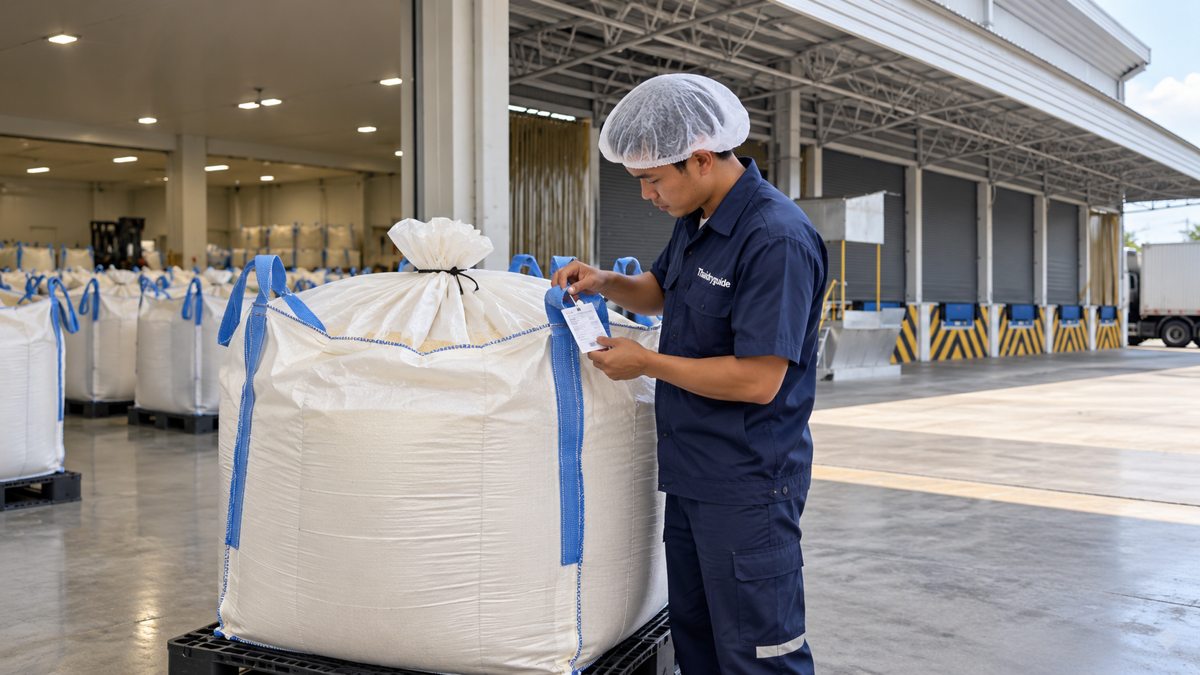
Record opening date, batch, remaining quantity and location, and use a resealing method suited to the material. Folding the bag mouth or casually tying it may only prevent spillage and may not restore the original moisture barrier.
Keep tools and gloves clean for their purpose and avoid sharing them between different products. Divide sensitive materials according to actual needs where possible to reduce repeated opening and long exposure. Permitted holding time after opening must follow product requirements and validation.
Explain why repacking is necessary first
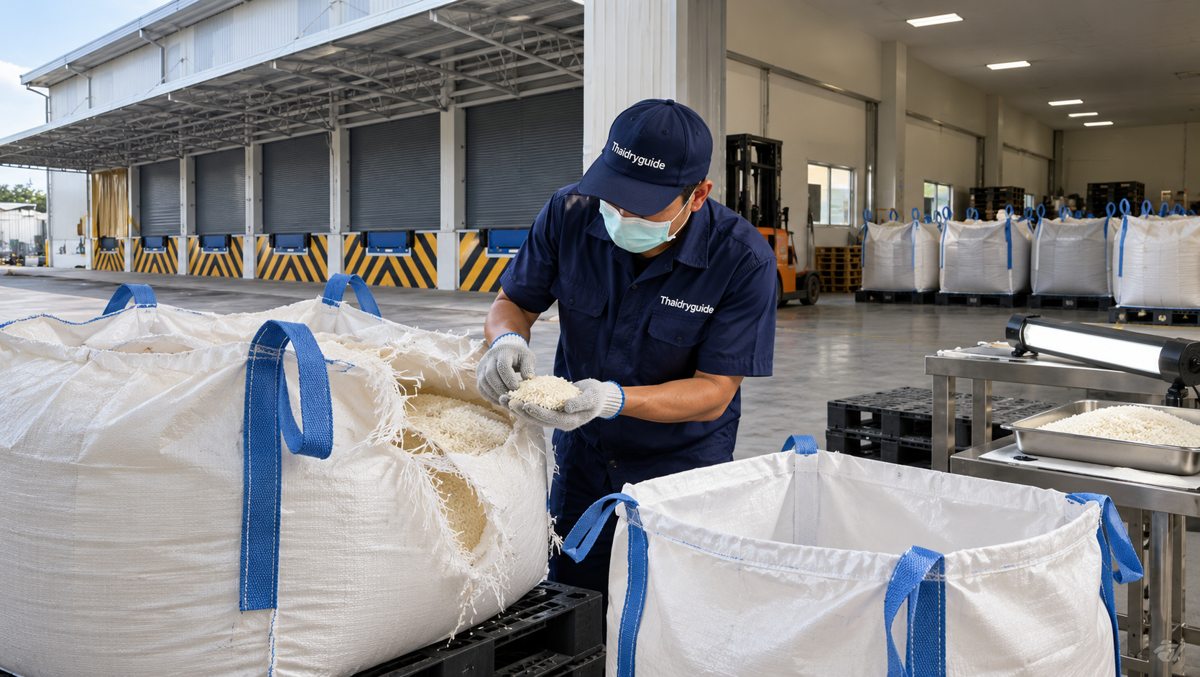
If the original package is damaged, damp or has a defective seal, assess cargo quality and contamination before deciding to repack. A new bag does not remove moisture already absorbed by the product. Moisture-damaged food should not be released merely after changing its bag.
Record the relationship between the original batch and new packaging, material specifications, operation time and inspection results. Quality management personnel must confirm, according to actual circumstances, whether repacking affects shelf life, labeling or customer requirements.
Validate that protection can last through long storage
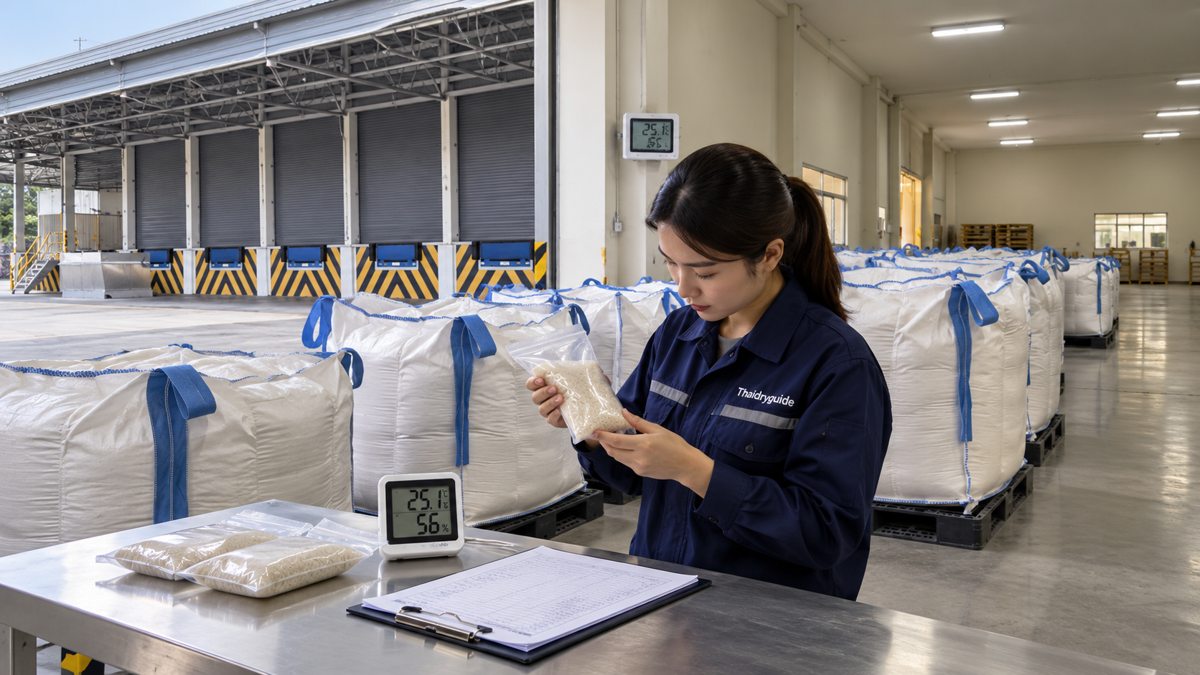
Do not treat good condition immediately after packing as a guarantee for the whole storage period. Set review points according to product risk, checking package integrity, dampness and caking, required quality indicators and environmental records. Temperature cycles and long-term moisture transmission may gradually change protection.
When storage conditions, packaging materials or desiccant plans change, confirm whether the original storage period remains supported. Retain samples and batch records, and adjust the plan using actual quality results. Do not extend storage solely because a desiccant looks intact or one humidity reading is low.
Main reference: the TIS/GDV packaging handbook. Confirm food-contact suitability, sealing parameters and storage life against product and material specifications.