Container moisture control involves more than reducing air humidity. Moisture in cargo, wooden floors, pallets, cartons and dunnage, along with packaging integrity, affects transport outcomes.
First confirm the product’s own condition
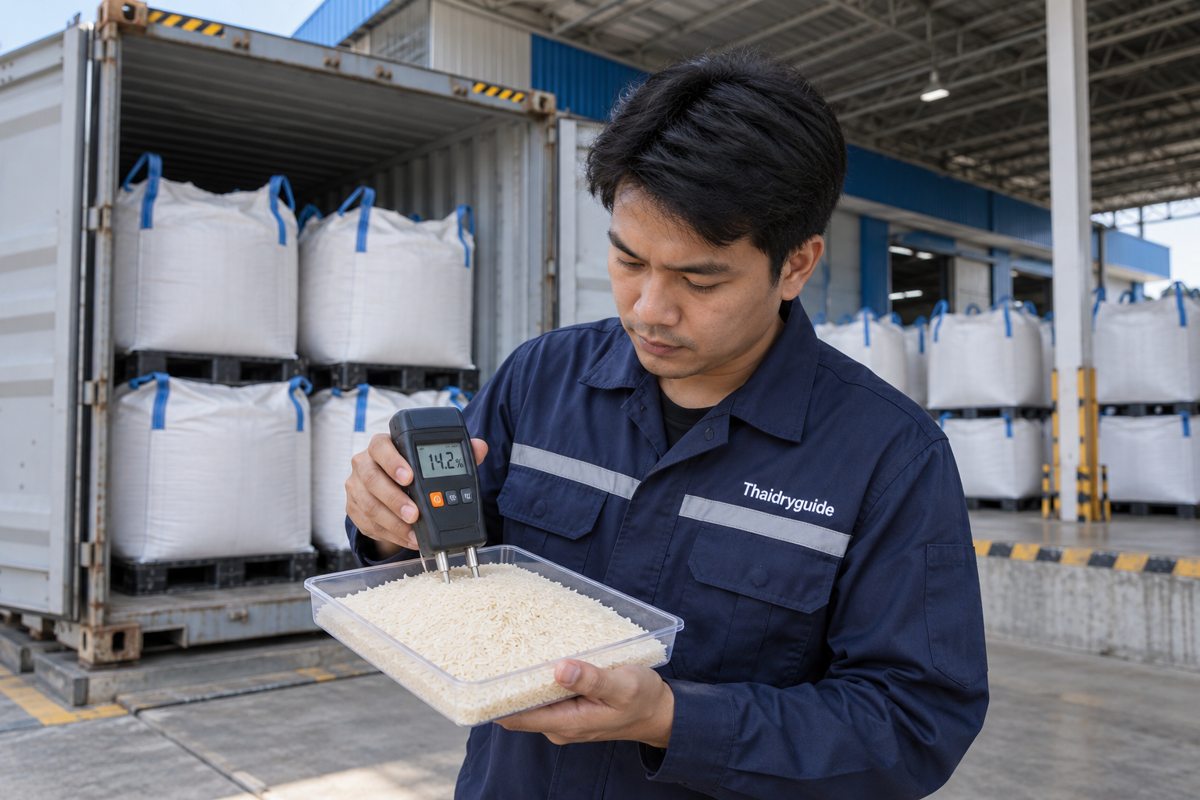
Product moisture must meet applicable product standards and customer requirements. Powder or beans that look dry do not necessarily have suitable internal moisture; ambient RH cannot replace product moisture testing. For recently processed goods, also confirm that temperature and packing conditions meet established requirements.
Check pallets and cartons as well
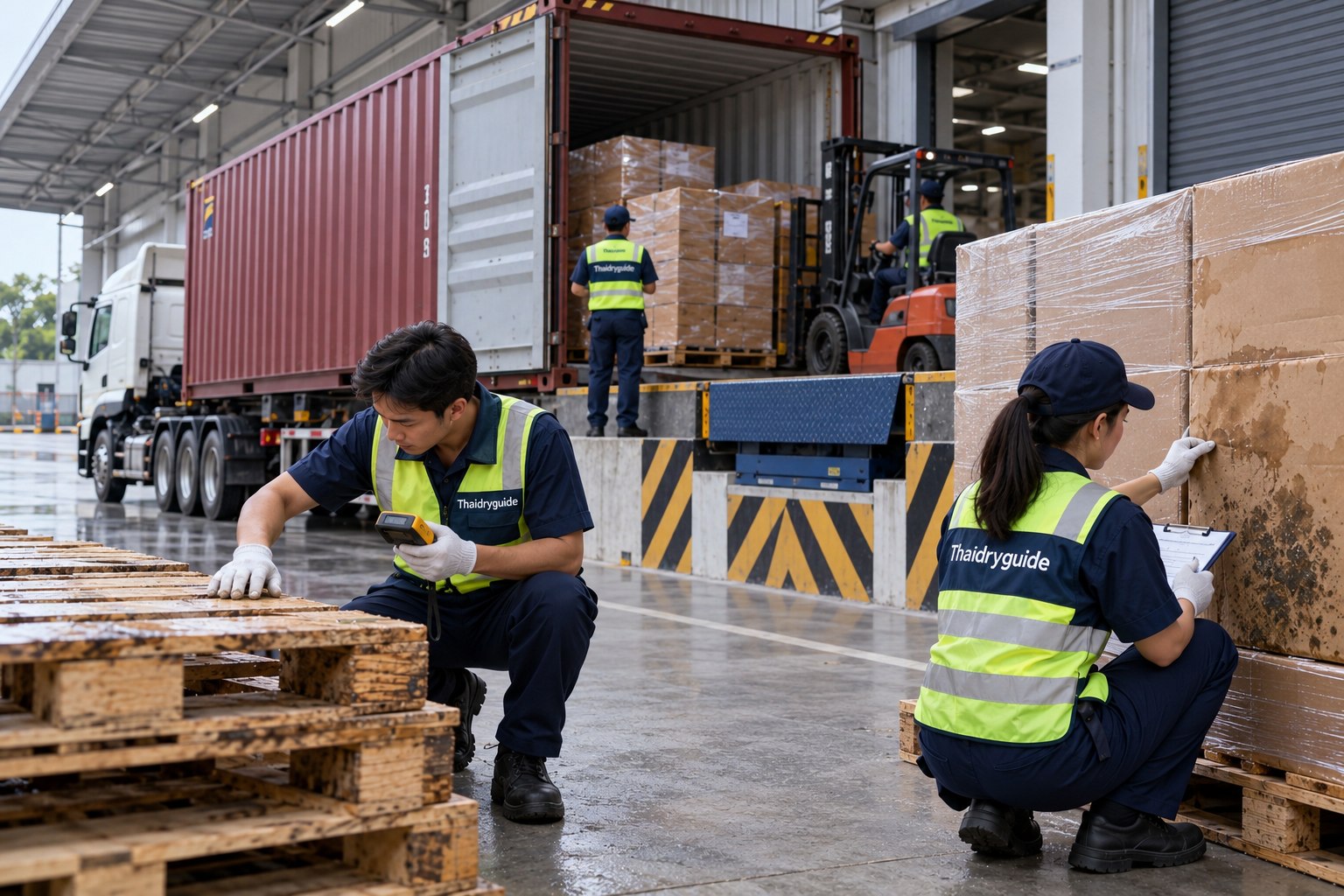
Hygroscopic materials such as wood and paper can store and release moisture. Packaging materials need appropriate storage conditions before use. Handle rain exposure, moldy odors, deformation or softening separately. A pallet’s phytosanitary marking cannot replace acceptance checks of its current dryness.
What protection does the inner bag provide?
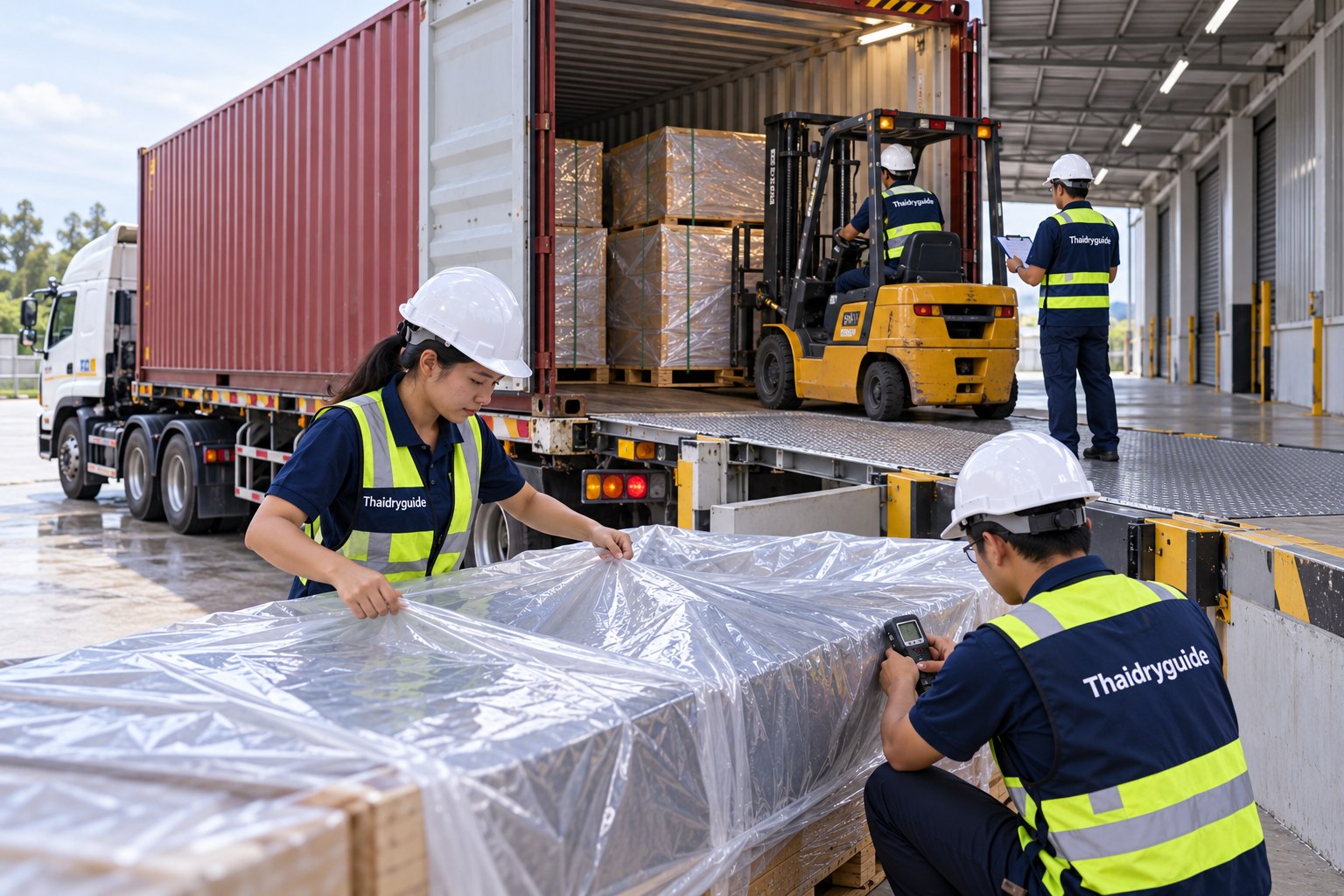
When selecting inner bags, understand the material’s moisture-barrier properties and sealing method. Thickness alone is insufficient; check the test conditions for water vapor transmission rate, seams and seal integrity. Packaging must suit the product, transport duration and intended contact use.
Container desiccants and the environment inside bags are different
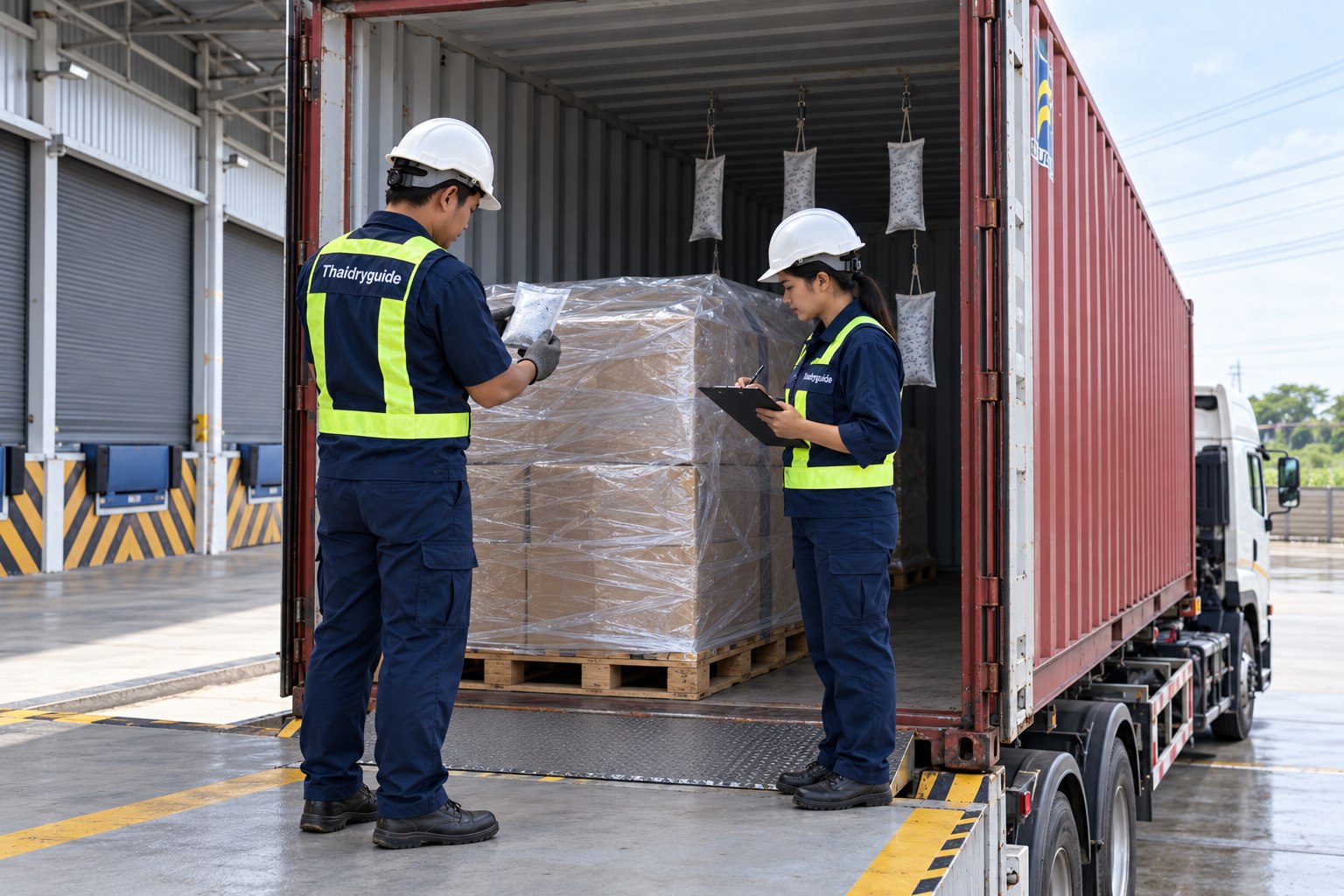
Desiccants hanging in a container primarily act on air they can access. With sealed moisture-barrier packaging, do not assume container desiccants will necessarily reduce moisture inside the bag promptly. If considering in-bag desiccants, separately assess type, quantity, contact risks and available packaging space.
Floor inspection: measure air and materials separately
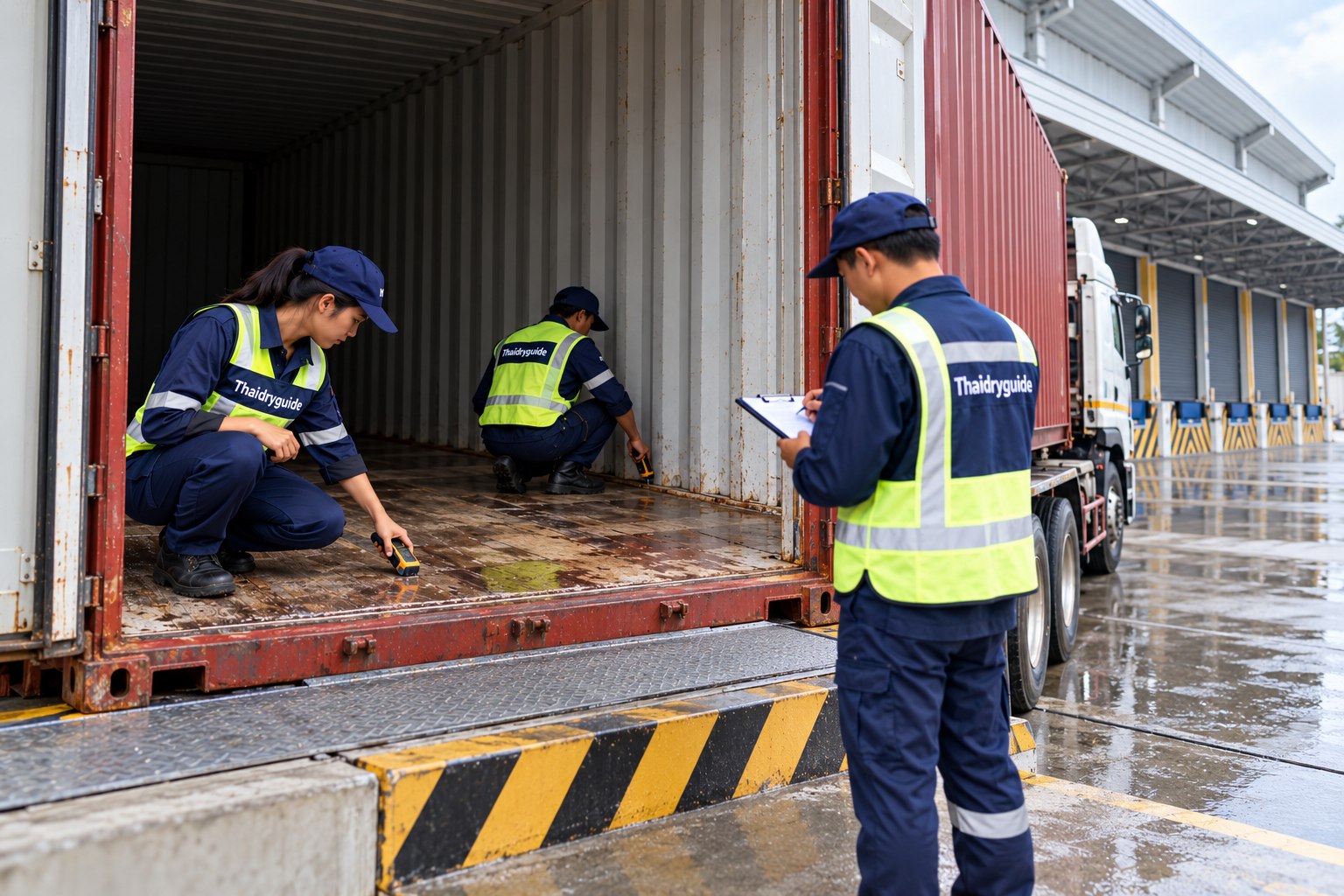
First check for standing water and leaks, then use a moisture meter suited to the material. Verify settings, measurement depth and calibration requirements; a relative index must not be written directly as a percentage moisture content. We recommend testing the doorway, center, front end and suspicious wet patches, recording positions and readings, and rechecking with the same method after treatment.
Do not apply one number to every material
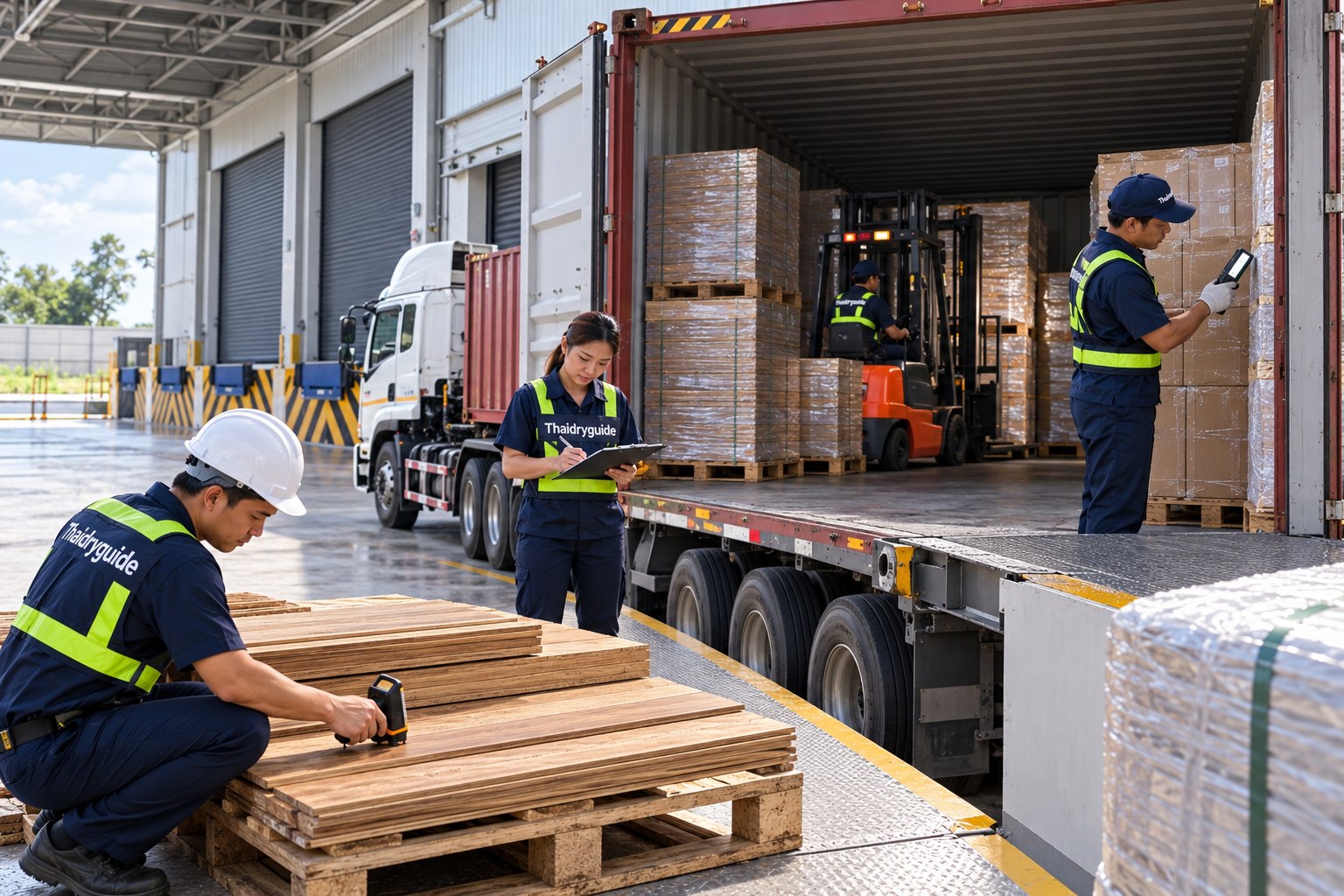
Assess wooden floors, wooden pallets, cartons and products against their respective requirements; there is no universal acceptable moisture content. Product moisture must follow product and customer standards. Loading staff must not release materials unconfirmed by quality staff simply because they do not feel wet.
Thailand example: moisture can enter even on a sunny day
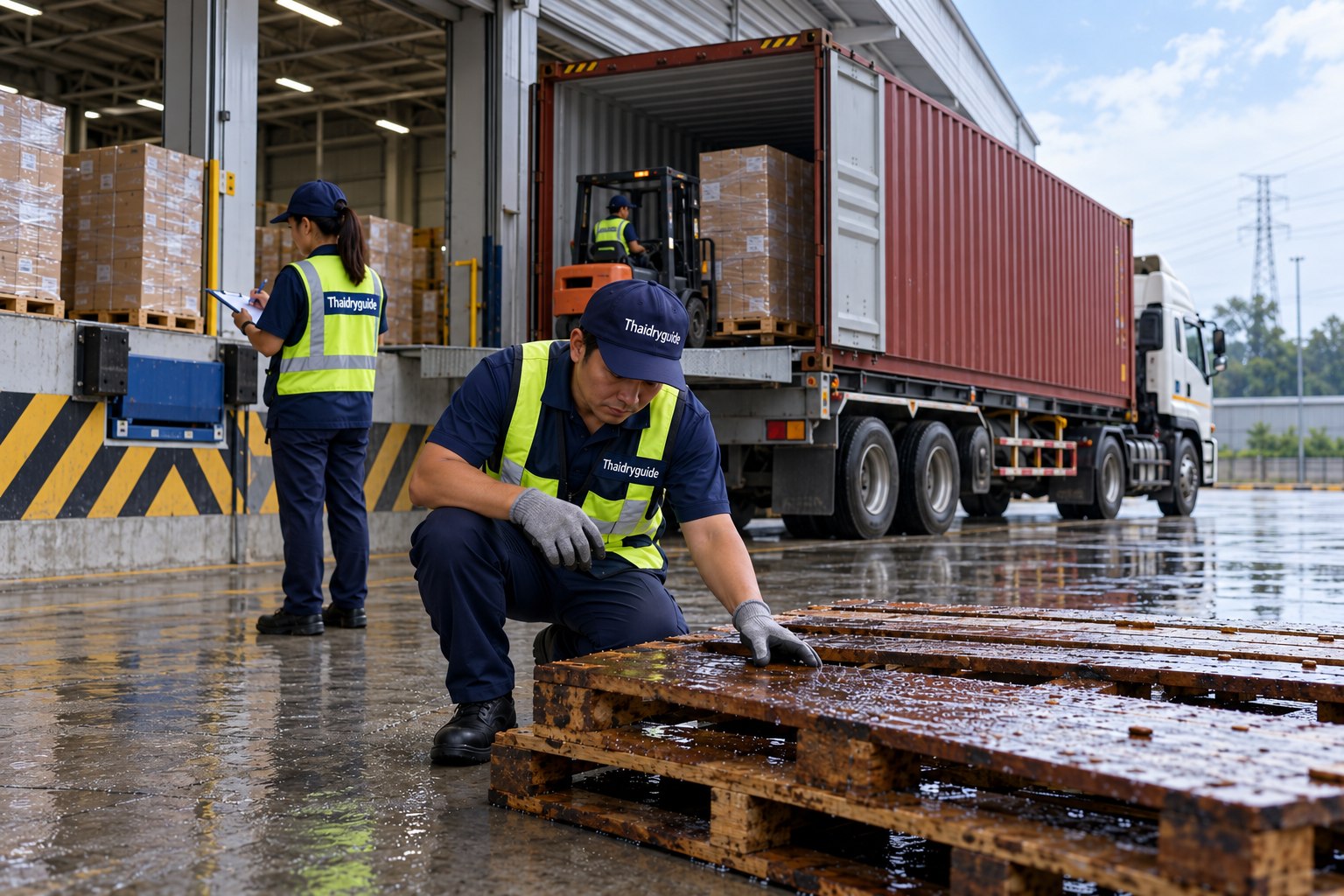
Suppose October brings showers, cartons are indoors but wooden pallets wait outside. A passed product inspection does not automatically make wet pallets acceptable. Replace or treat them and confirm again, rather than asking desiccants to absorb moisture that could have been eliminated before loading.
Protect seals and packaging during loading
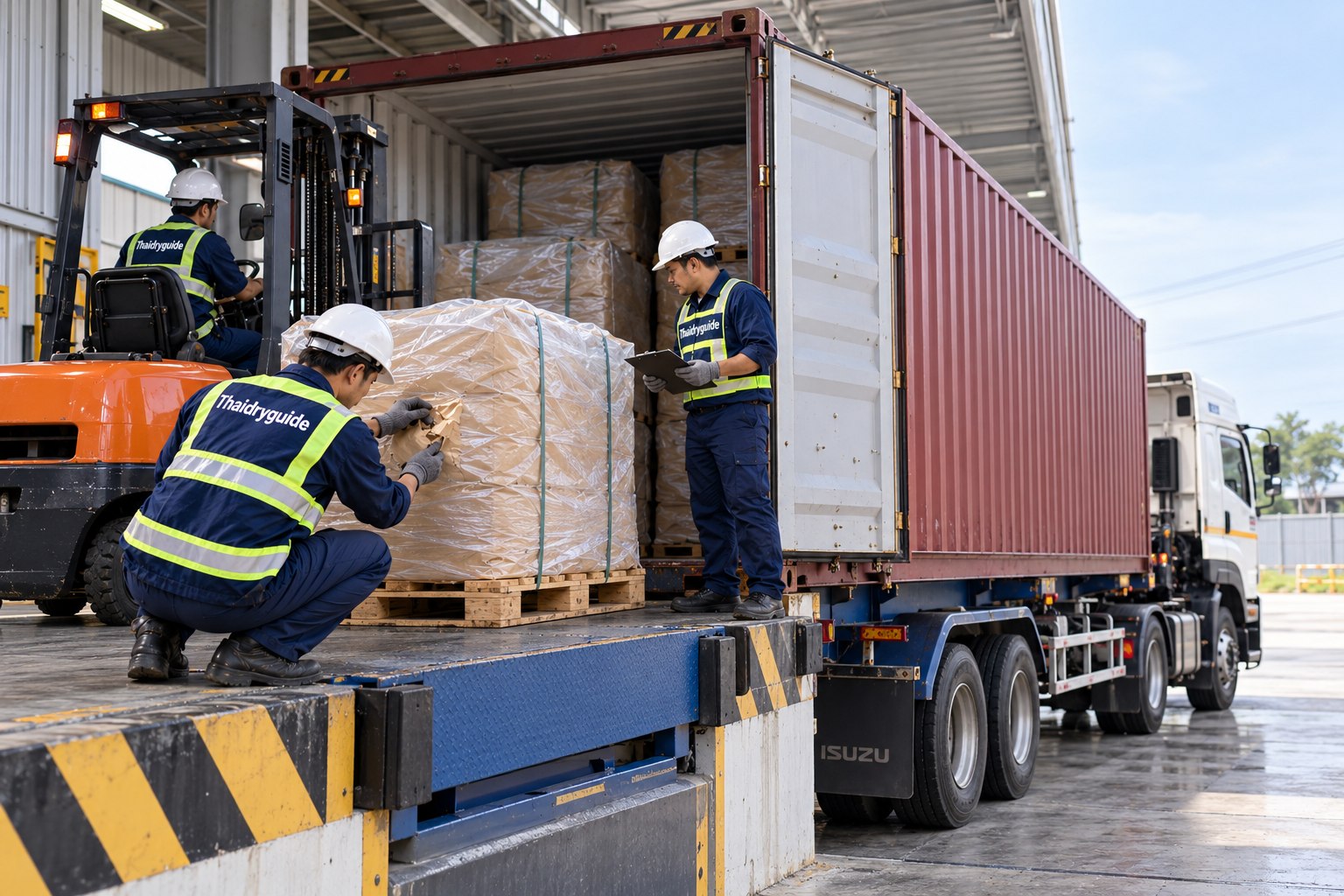
Check for forklift scuffs or punctures, protruding nails and compression damage; reconfirm after replacing bags or resealing. With moisture-barrier inner bags, check material properties, seal integrity and intended contact use. If changing the loading pattern for moisture control, also confirm that weight distribution and cargo securing remain appropriate.
Main references: TIS container climate, commodity information and the GDV packaging handbook. Thai site-inspection examples are compiled by this site.