Moisture protection does not mean making every cargo as dry as possible. Grains risk mold, steel risks condensation and rust, and cartons lose strength after absorbing moisture; fresh fruit, however, needs controlled water loss. This article groups moisture protection and storage and transport priorities by cargo characteristics, helping factories identify risks before selecting a plan.
This is a classification overview. Specific temperature, humidity, moisture-content and acceptance requirements should be confirmed according to variety, processing condition, packaging, voyage and product validation.
1. Grains and dry pulses: control the cargo’s own moisture first
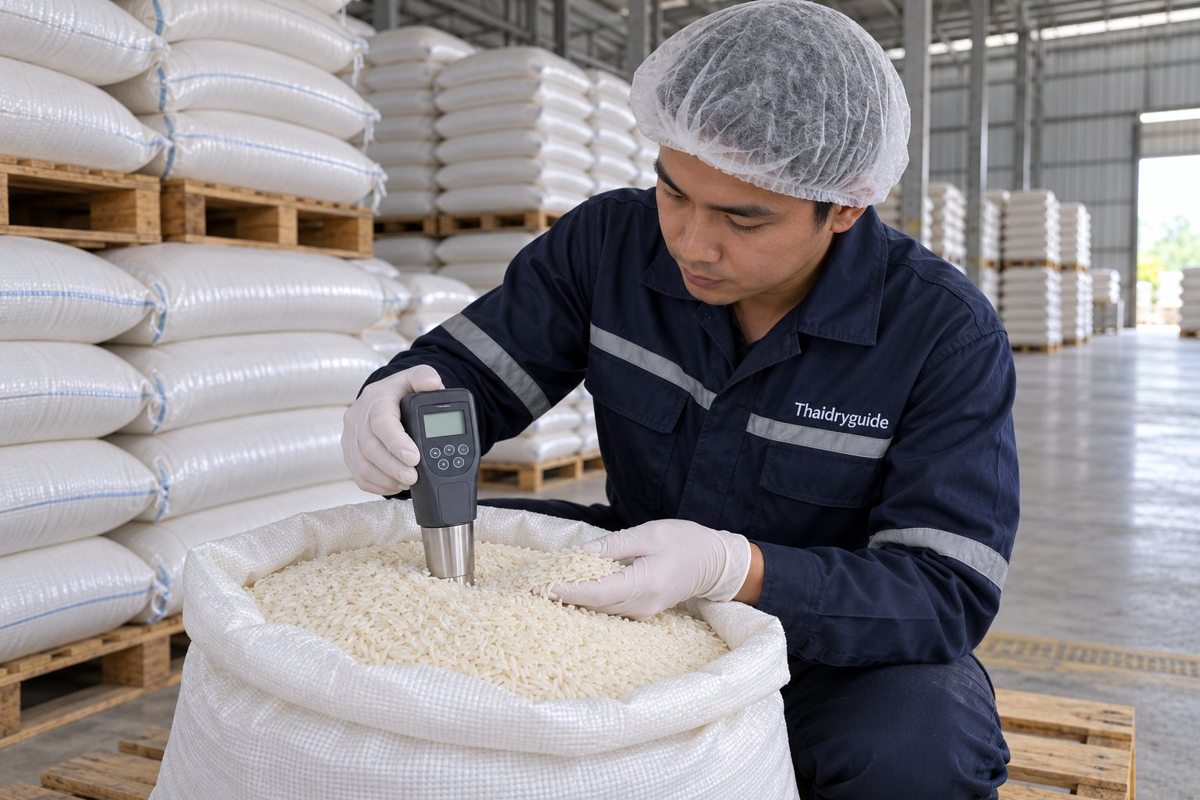
Cargo covered:Barley, maize, oats, rice, rye, wheat, dry beans, dry lentils and dry soybeans.
Moisture may come from rain, leaks and condensation, or may already be present before loading. Cargo with excessive moisture may develop mold, odors and heating even in a container without leaks.
At receiving, check moisture content, musty odors, pests and wet bags; inspect floor and pallets before loading. Desiccants cannot replace raw-material drying or automatically restore moisture-damaged cargo to compliance.
2. Oilseeds: prevent moisture damage and oil deterioration
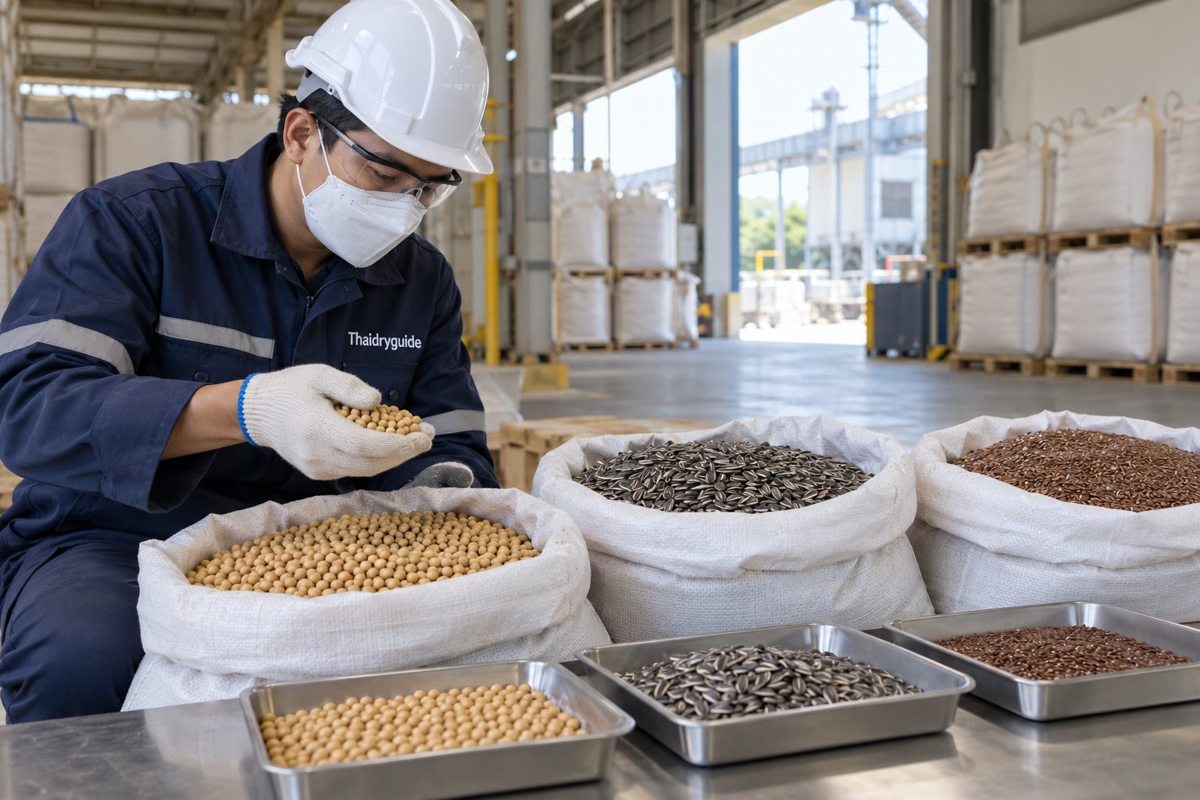
Cargo covered:Soybeans, cottonseed, linseed, mustard seed, poppy seed and sunflower seed.
Besides mold, watch for oil oxidation, rancidity and abnormal heating. Dampness and heat may affect quality together.
Check moisture, temperature, rancid odors, packaging and storage duration. Different seeds have different oil contents, so one moisture upper limit cannot apply to all.
3. Nuts and oil-bearing fruit: protect against damp, heat and odor transfer
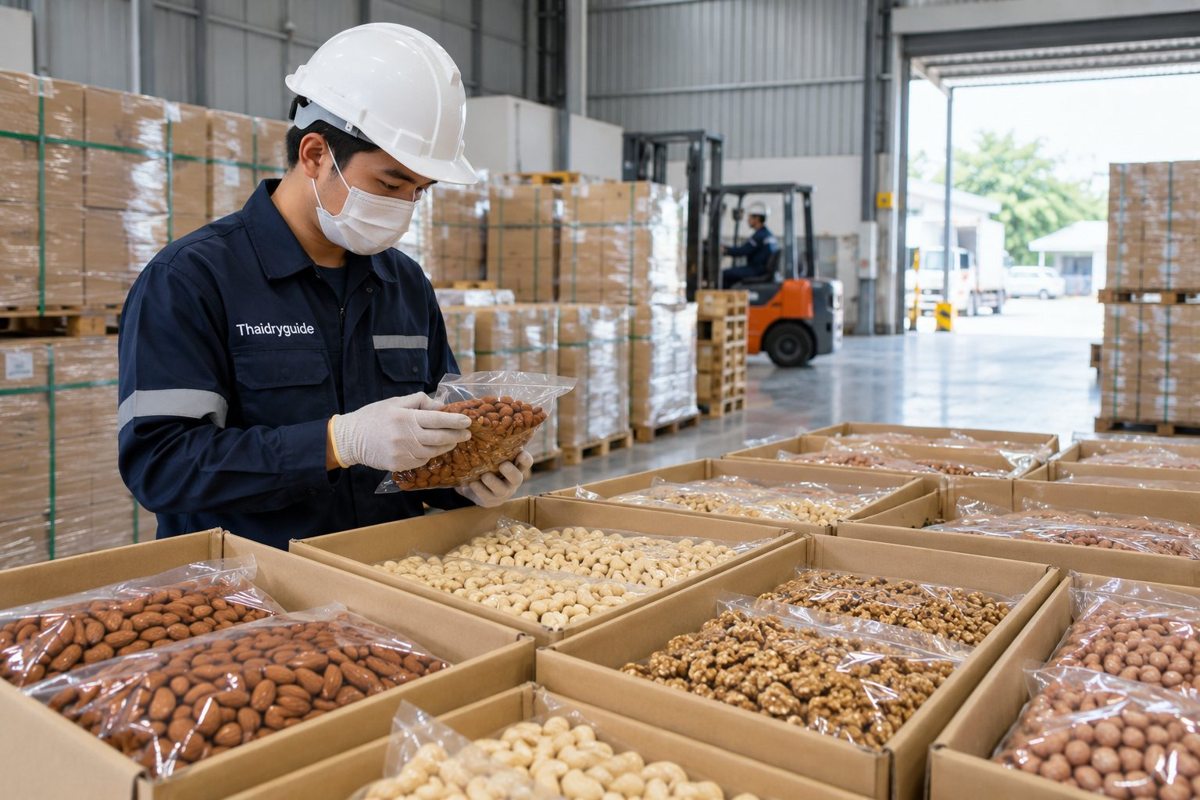
Cargo covered:Almonds, apricot kernels, Brazil nuts, cashews, chestnuts, hazelnuts, peanuts, pistachios, walnuts, coconuts and dried coconut meat.
Main concerns are mold, rancidity, pests and package damage. In-shell, shelled and differently processed products have different protection and storage requirements.
Check odor, color, packaging and signs of dampness, avoiding moisture and prolonged overheating. Confirm conditions for the particular product and voyage.
4. Feed, meals and pellets: watch for abnormalities inside stacks
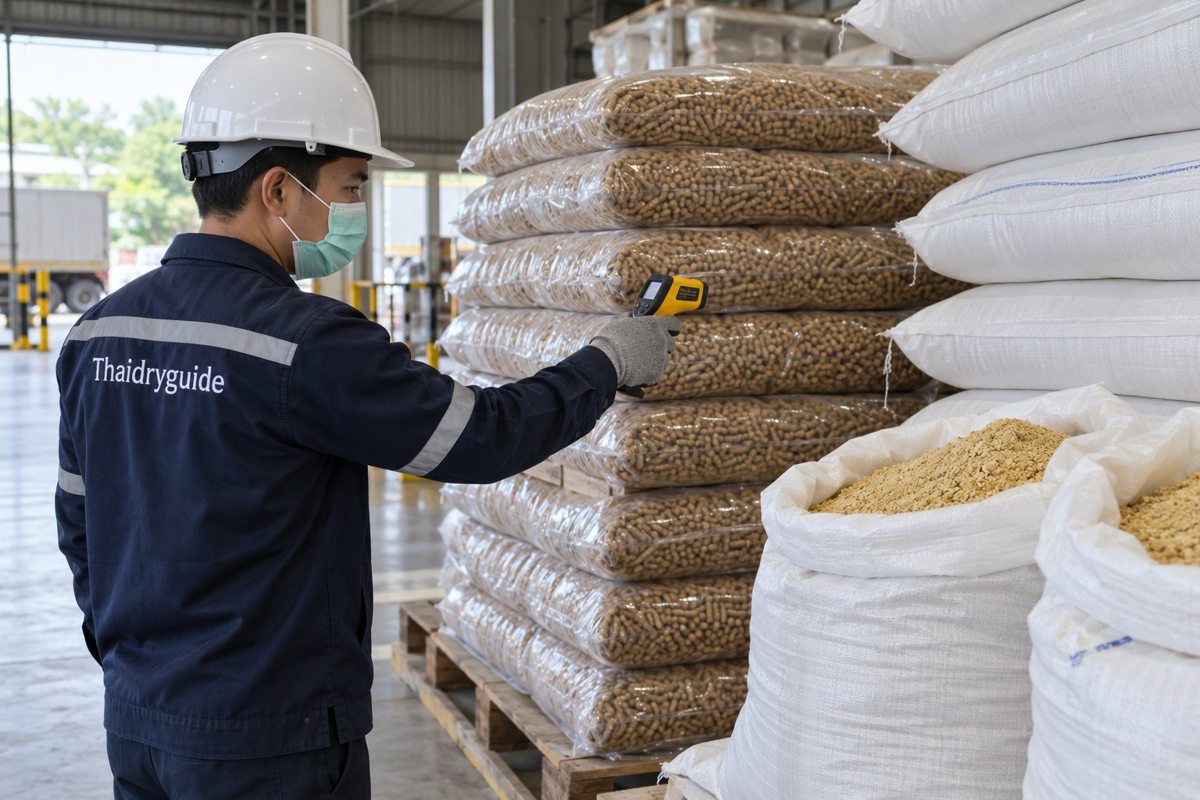
Cargo covered:Pellets of alfalfa, brewers’ grains, citrus, maize, corn gluten, cottonseed, peanut, rice bran, soybean meal, sunflower seed, wheat bran and wheat-processing by-products; press cakes and related extracted meals of coconut, cottonseed, linseed, peanut, sesame and sunflower seed, and solvent-extracted soybean meal.
Moisture content, residual oil, processing condition and stacking affect heating and deterioration risks. Do not assess only outer packaging. Risks differ between meals.
Monitor unusual temperature rises, caking, musty odors and wet bags. If a stack heats up, isolate it and have competent personnel assess it under site emergency procedures; merely adding desiccant is insufficient.
5. Spices and dried plants: preserve aroma and cleanliness
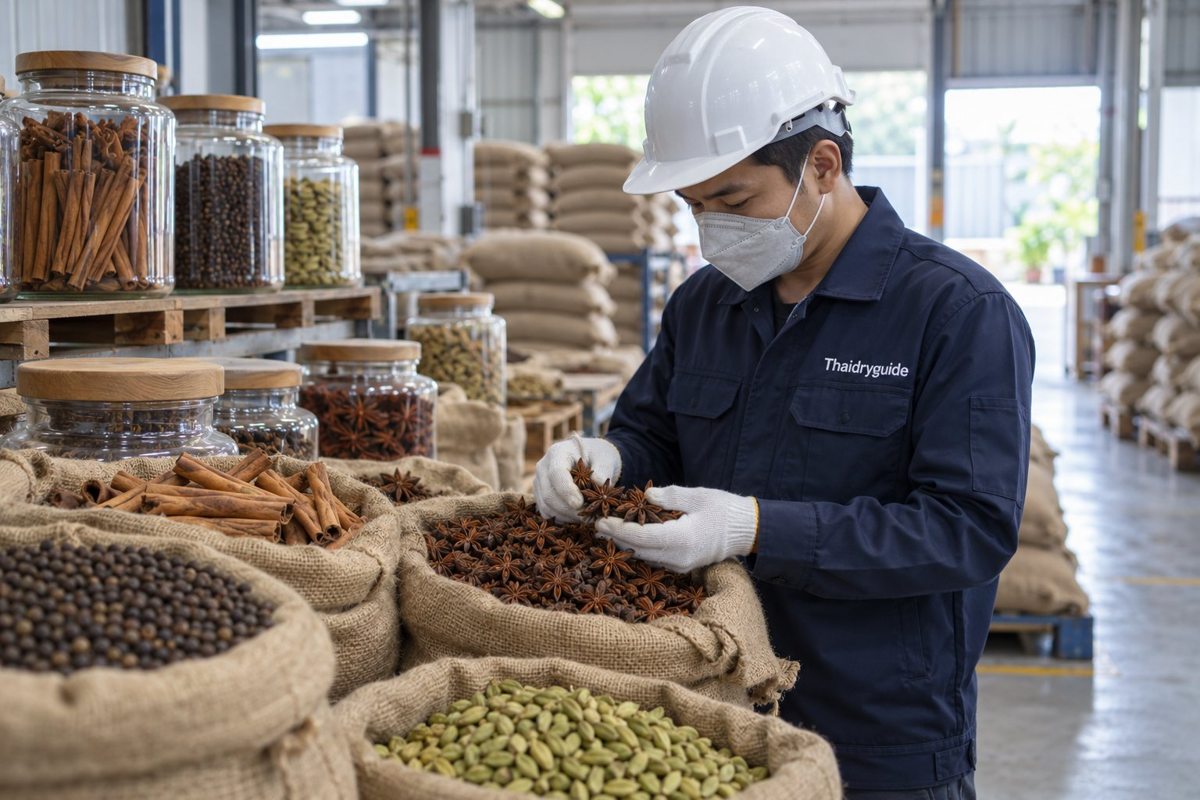
Cargo covered:Allspice, aniseed, bay leaves, chilies, caraway seed, cardamom, cinnamon, cloves, coriander seed, fennel seed, dried ginger, mace, nutmeg, pepper, saffron, sage leaves, star anise and vanilla pods.
Dampness may cause mold, caking and quality losses. Also prevent pests and odor contamination.
Check seals, odor, color, mold and foreign matter, and avoid storage with oils, chemicals or strong-smelling cargo. Confirm requirements separately for whole, sliced and powdered products.
6. Coffee, cocoa, tea and tobacco: check odor even when appearance is normal
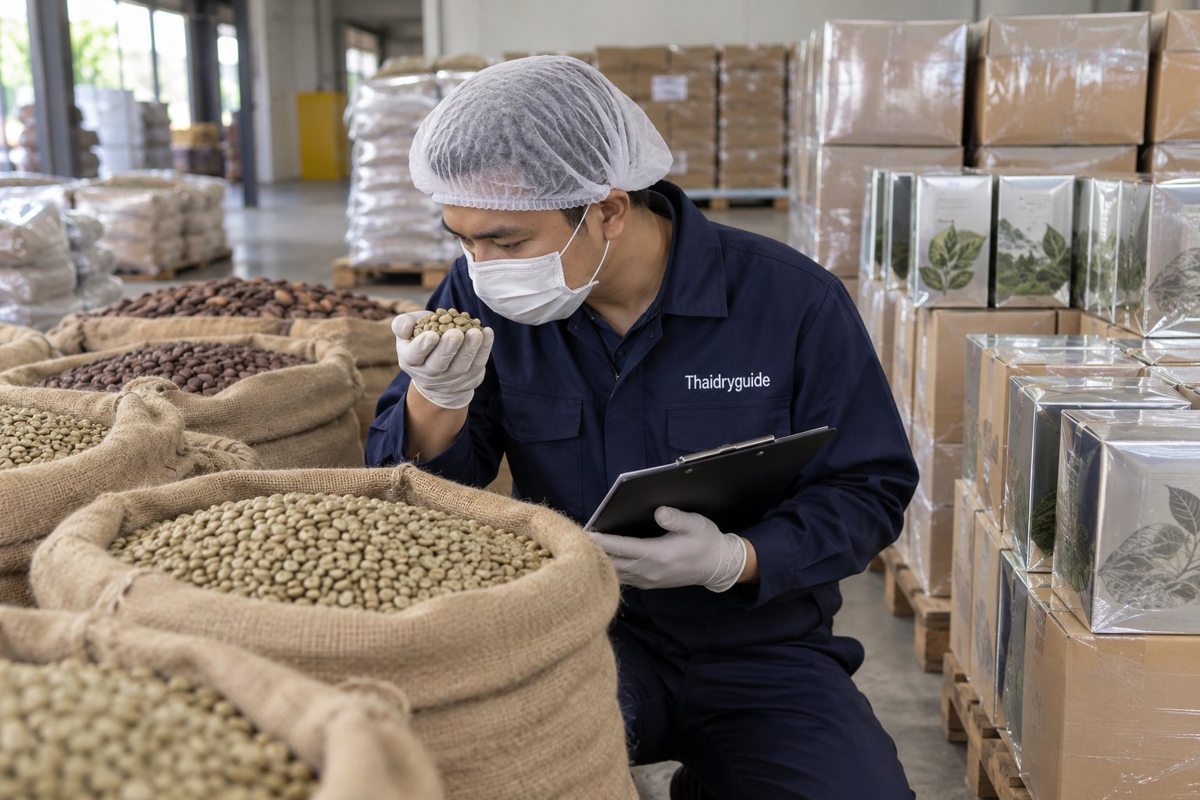
Cargo covered:Green coffee beans, cocoa beans, tea and tobacco leaves.
Aroma and quality carry high value; dampness or odor transfer can cause substantial losses. Processing, initial moisture and packaging influence the transport plan.
Check cargo, packaging and abnormal odors. Distinguish coffee processing conditions; protect tea especially from moisture uptake and odors. Do not copy ventilation requirements between different products.
7. Dried fruit: prevent moisture uptake and inappropriate water loss
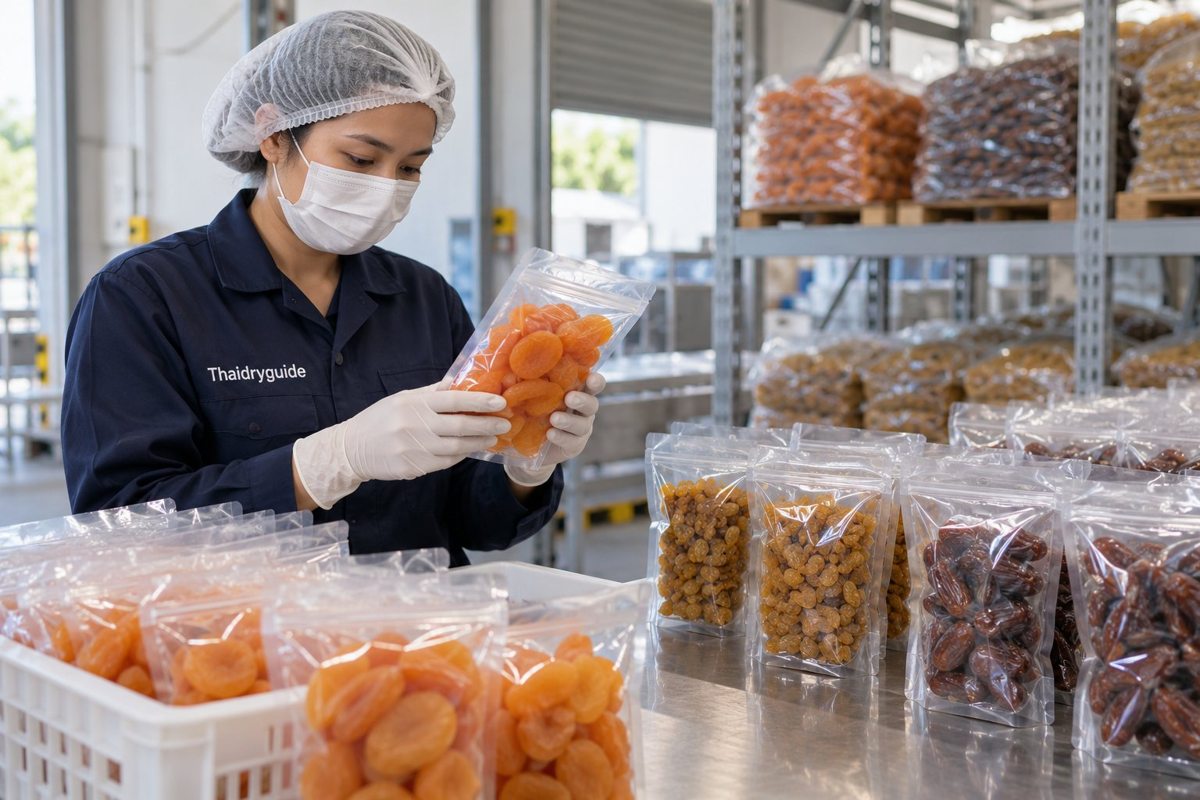
Cargo covered:Dried apples, apricots, dates, figs, prunes, raisins, currants and sultanas.
Dried fruit still contains water and is not completely dry. Consider mold, fermentation, pests, sticking and texture changes together.
Check package seals, surfaces, odor and shelf life. For sealed products, verify packaging moisture-barrier performance rather than relying only on external desiccants.
8. Sugar, salt and chocolate: moisture damage differs
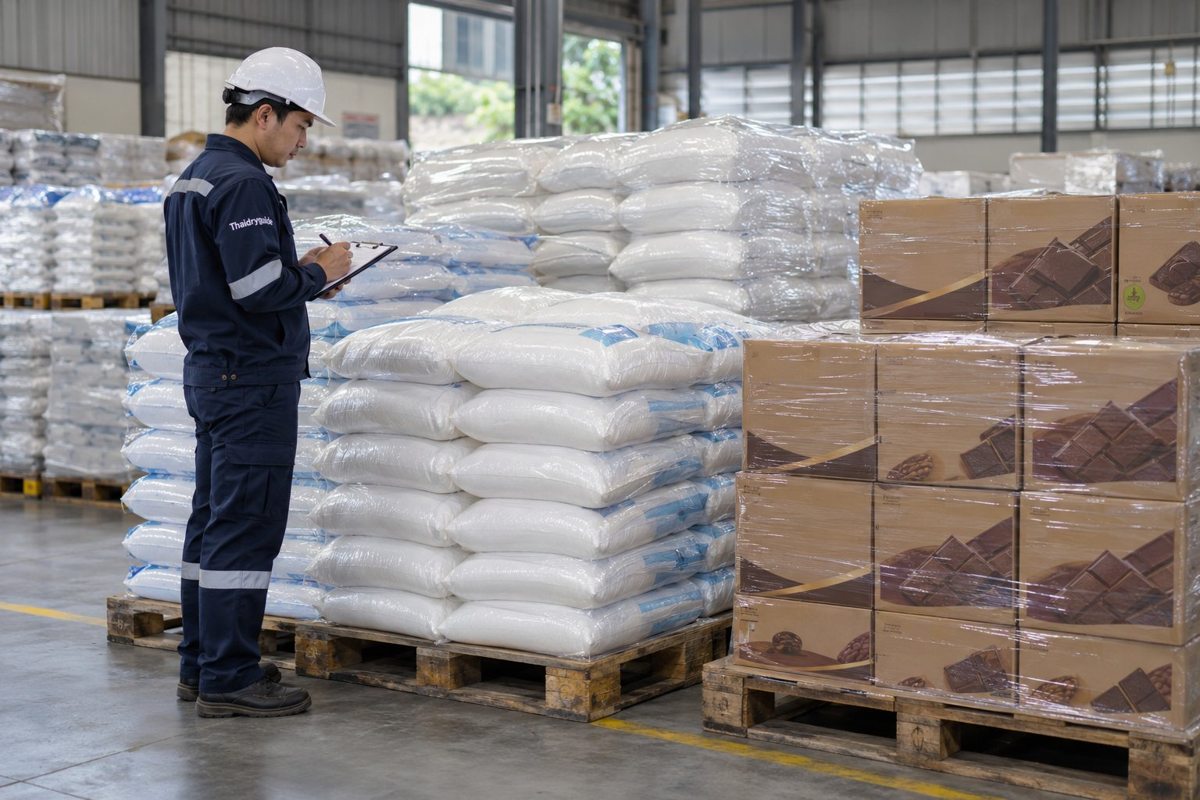
Cargo covered:Rock sugar, sugar cubes, raw sugar, white sugar, table salt and solid chocolate.
For sugar and salt, the main concerns are moisture uptake, dissolving and caking. Chocolate also requires attention to temperature and appearance quality.
Check cargo and packaging separately. Liners can protect contents while paper bags may still become damp and weak. Assess caking or water marks according to product requirements.
9. Fresh fruit: preventing water loss and condensation are equally important
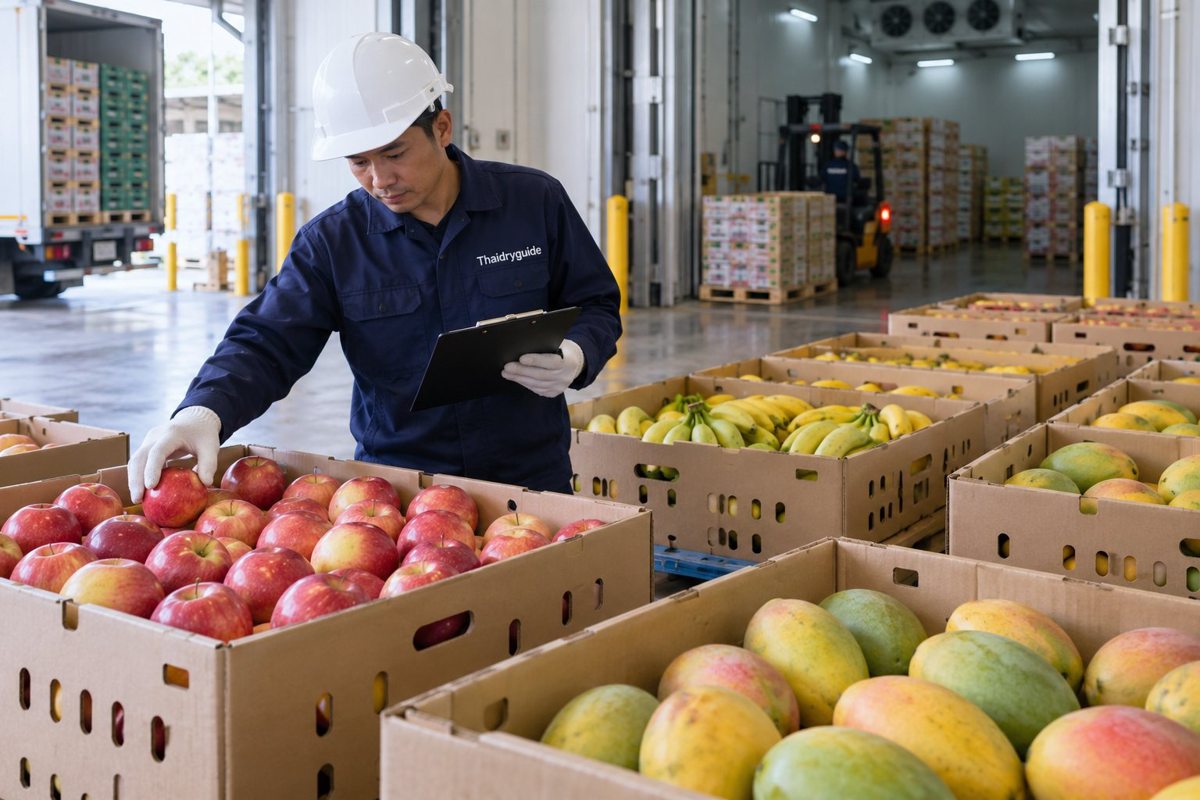
Cargo covered:Apples, avocados, bananas, blueberries, cherries, clementines, grapefruit, grapes, kiwifruit, lemons, limes, mandarins, mangoes, oranges, peaches, nectarines, pears and pineapples.
Fresh fruit continues to respire; excessive water loss harms quality and unsuitable temperatures may also cause damage. Do not apply aggressive dehumidification plans for ordinary dry cargo to fresh fruit.
Determine cold chain, humidity and ventilation by variety, maturity and voyage, while preventing surface condensation, decay and odor effects.
10. Beverages and preserved foods: focus on containers and outer packaging
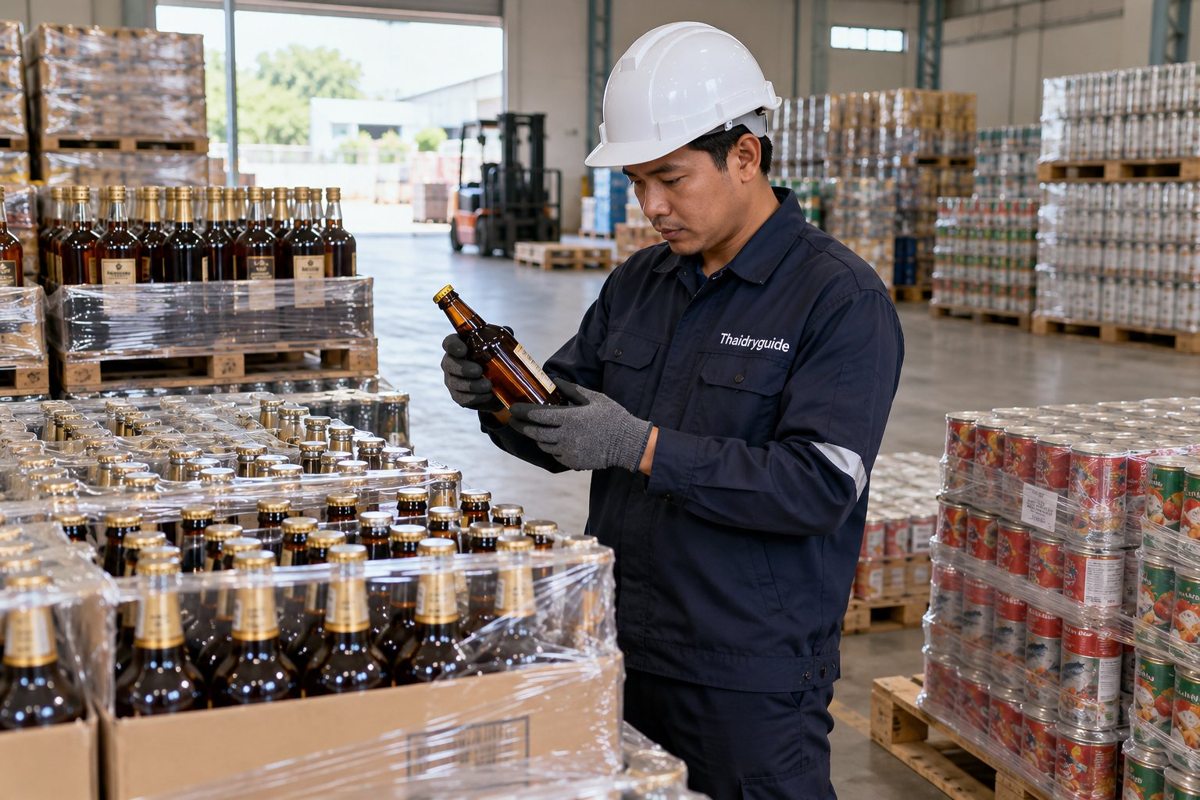
Cargo covered:Beer, rum and preserved foods.
Sealed containers and external cartons or labels face different risks. Contents unaffected directly by moisture do not prove the packaging is undamaged.
Check bottles and cans, seals, leaks and softened outer cartons, and control storage and transport temperatures according to manufacturer requirements.
11. Vegetable and animal oils: prevent water entry and contamination, considering temperature

Cargo covered:Camelina oil, castor oil, coconut oil, cottonseed oil, hempseed oil, herring oil, kapokseed oil, linseed oil, mustard oil, olive oil, palm-kernel oil, palm oil, peanut oil, rapeseed oil, seal oil, sesame oil, soybean oil, sunflower oil and tea-seed oil.
The priority is preventing water and impurities from entering, while controlling temperature, cleanliness and handling according to oil characteristics.
Solidification, oxidation and heating conditions differ by oil. Check container seals and applicable requirements rather than applying one ambient dry-cargo plan.
12. Natural fibers: a dry surface does not prove acceptable internal condition
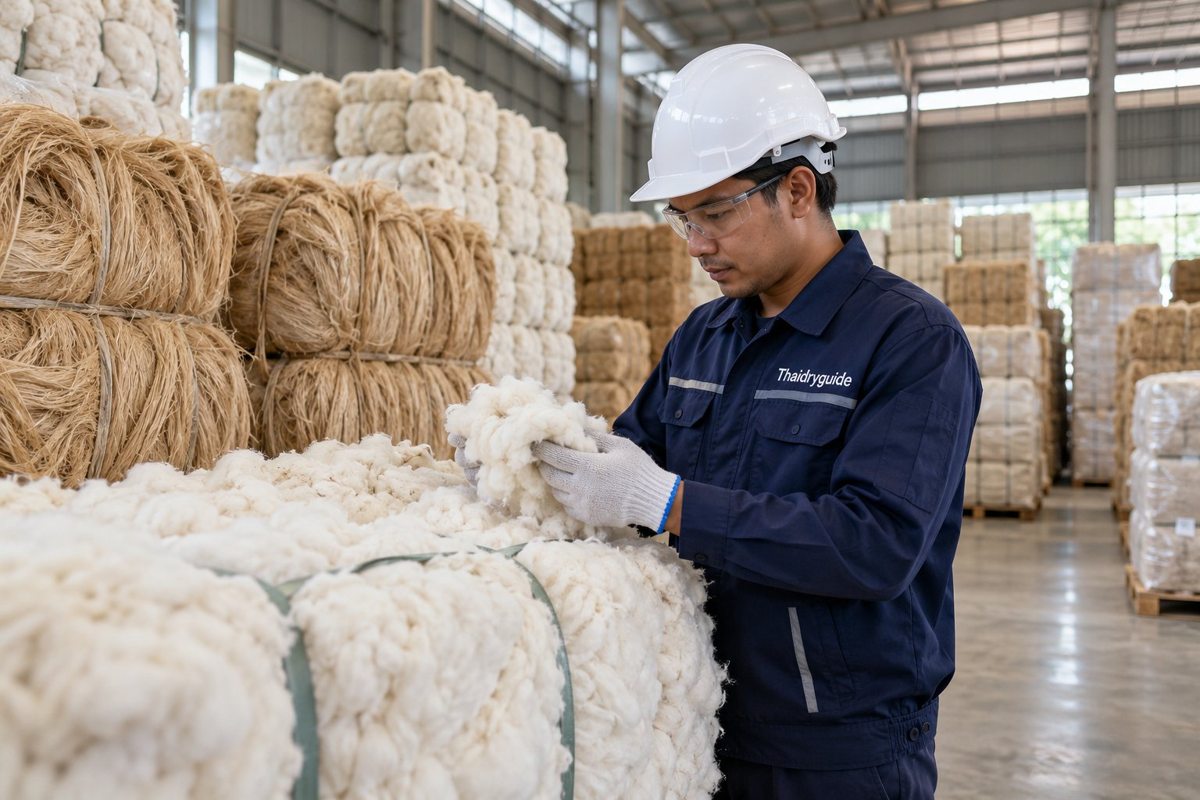
Cargo covered:Absorbent cotton, cotton, combed wool tops, wool, silk, flax, flax tow, hemp, jute, ramie, sisal, abaca, kapok, coir, palm fiber, raffia, piassava and esparto grass.
Fibers differ in moisture absorption, and damage inside compressed bales may be difficult to detect externally. Oil contamination may bring additional risks.
Check moisture, odor, stains and internal abnormalities. Assess abnormal temperature rises under safety procedures rather than judging only by touch.
13. Textiles: prevent mold, staining and packaging condensation

Cargo covered:Fabrics, cloth, garments, carpets and yarn.
Dampness can cause mold spots, odors and appearance damage. Rolling, folding and baling can make internal problems difficult to discover promptly.
Before sealing, confirm cargo and packaging meet requirements and inspect cartons, inner bags and water marks. Consider initial moisture and barrier performance for sealed packaging.
14. Paper and board: moisture protection preserves performance

Cargo covered:Paperboard, corrugated board, thick board, newsprint, wrapping paper, filter paper, photographic paper, waxed paper, paper bales, waste paper, cellulose and chemical pulp.
Moisture uptake may cause deformation, sticking and loss of performance. No visible water stain does not prove carton load capacity is unaffected.
Check edges, bottoms, roll cores and package water marks, and avoid wet floors and pallets. Treated materials such as waxed paper should not all be assumed completely waterproof.
15. Wood, rattan and roofing felt: choose according to material condition
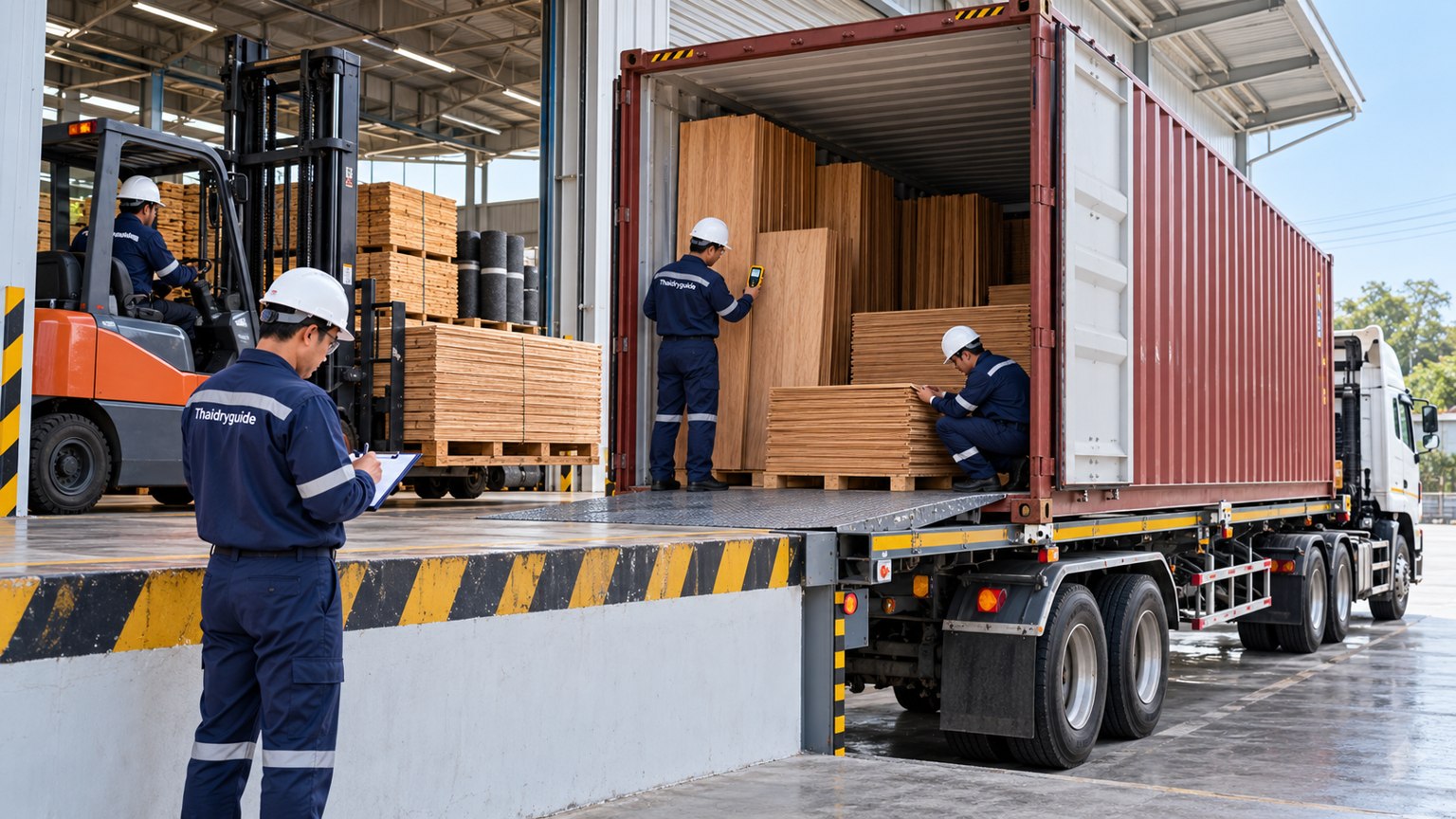
Cargo covered:Sawn timber, logs, veneer, chair cane and roofing felt.
Wood exchanges moisture with its environment. Wet pallets and dunnage can also become moisture sources during transport of other cargo.
Distinguish green wood, dried wood and finished products, checking moisture, mold and deformation. For roofing felt, also consider heating, stacking and shape changes.
16. Steel and metal products: focus on condensation and corrosion

Cargo covered:Steel coils, sheet, wire rod, pipes and sections.
Surface water films, salts and contaminants can cause corrosion. Condensation arising from temperature changes deserves particular attention.
Choose protection according to surface and packaging requirements. Check corrosion-protection layers, package damage, water marks and handling environment, especially cold metal touching hot, humid air.
17. Machinery, electrical appliances and vehicles: protect metal and packaging
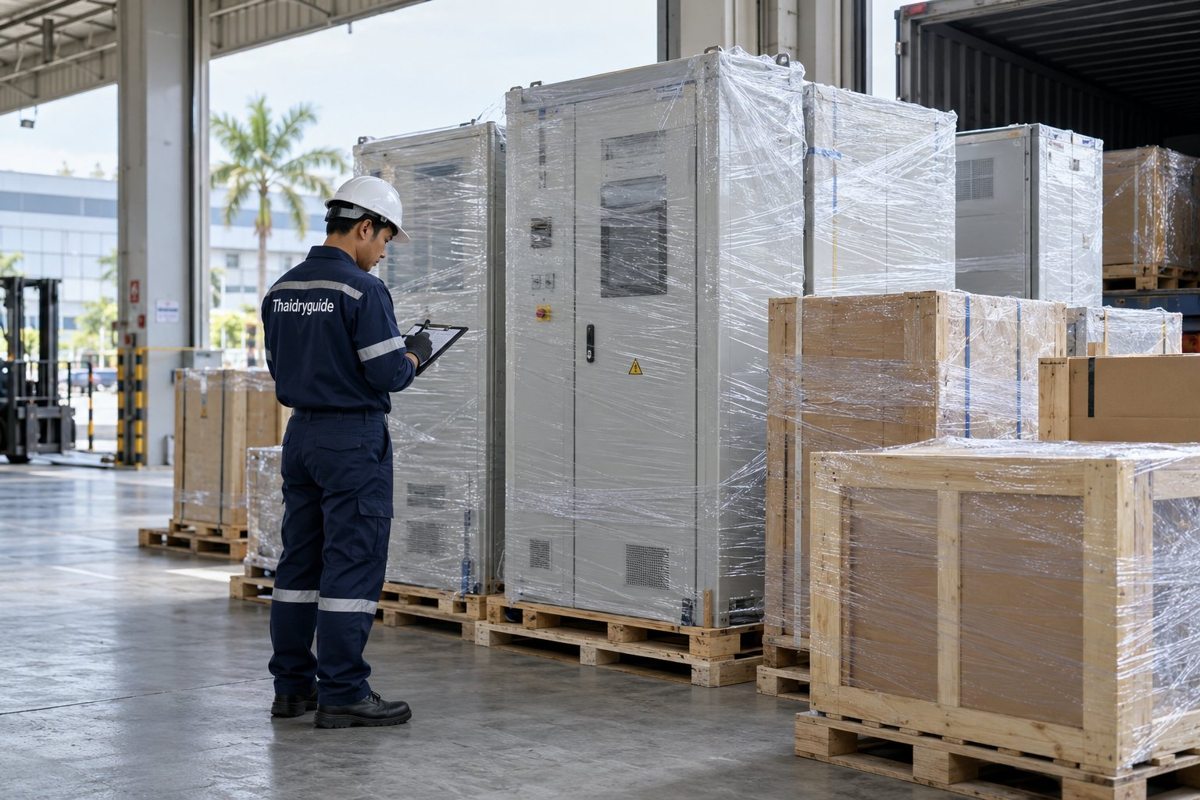
Cargo covered:Machinery, parts, distribution cabinets, switchgear, household appliances, audio-visual equipment, cars and trucks.
Cargo combines metal, electrical components and hygroscopic packaging. Internal corrosion, softened outer cartons and wet wooden packaging can all cause losses.
Design moisture protection according to equipment sensitivity and voyage. Check barrier-package sealing, and assess condensation risk on cold equipment in local hot, humid air when opening packages.
18. Rubber: prevent damp, heat and contamination
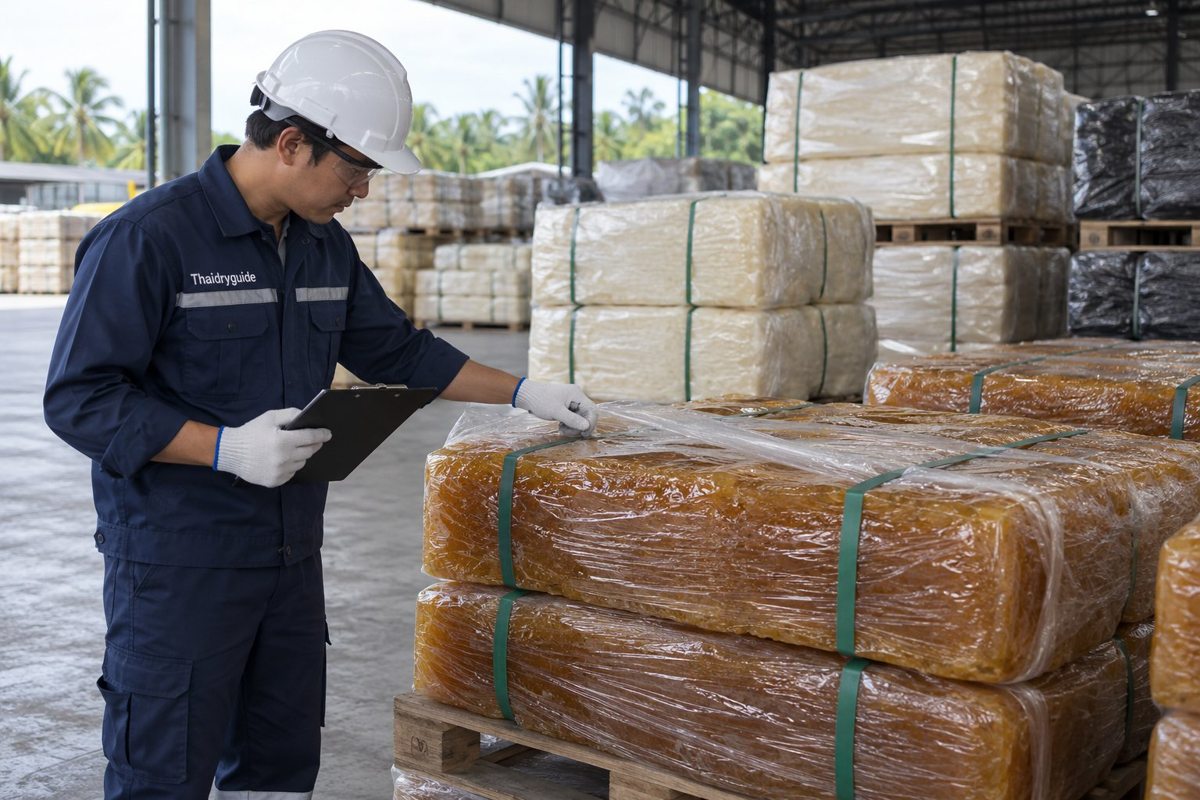
Cargo covered:Natural and synthetic rubber.
Storage and transport conditions depend on form, formulation and packaging. Lower moisture absorption than grain is no reason to ignore water, heat and contamination.
Check surface abnormalities, packaging and sticking, and store according to the specific product requirements. Natural and synthetic rubber cannot always use identical conditions.
19. In Thai factories, clarify five issues first

Cargo covered:Cargo, packaging, moisture sources, transport route and abnormality records.
First confirm acceptable cargo moisture, temperature, odor and appearance, then check packaging protection, cartons and pallets. Identify possible sources from rain, leaks, wet materials and condensation.
For exports from Thailand to colder regions, assess condensation after container cooling. For cold cargo arriving in Thailand, watch for surface droplets after contact with hot, humid air. Routes between similar climates may still face rain, prolonged high humidity and initial-moisture risks. Retain photographs and monitoring records before and after loading and when opening the container.
Categories and transport moisture risks primarily follow TIS commodity information. This overview does not replace specific transport conditions for each commodity.