Destination latitude is only a clue. Assess the arrival season, temperature changes, humidity, transport duration and packaging. High-latitude summers differ from winters, and a similar climate does not mean no condensation throughout the journey.
Understand dew point first
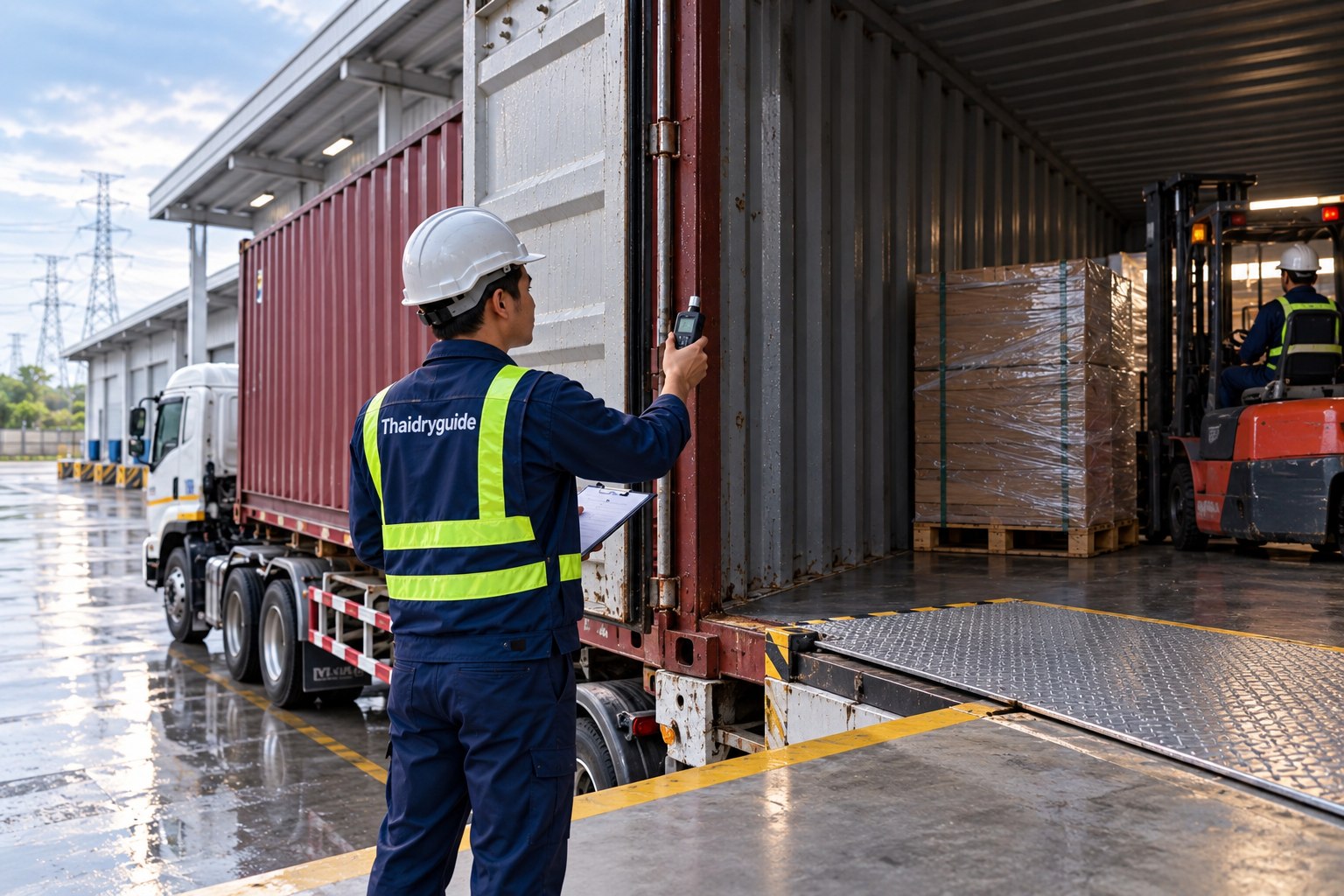
At an air temperature of 28℃ and 77%RH, the common Magnus approximation gives a dew point of about 23.6℃. A cold surface reaching around that temperature may develop condensation. This is a calculated example, not a prediction of water quantity over an entire voyage; air, roof and cargo surface temperatures may differ.
High-latitude destinations: focus on the arrival season
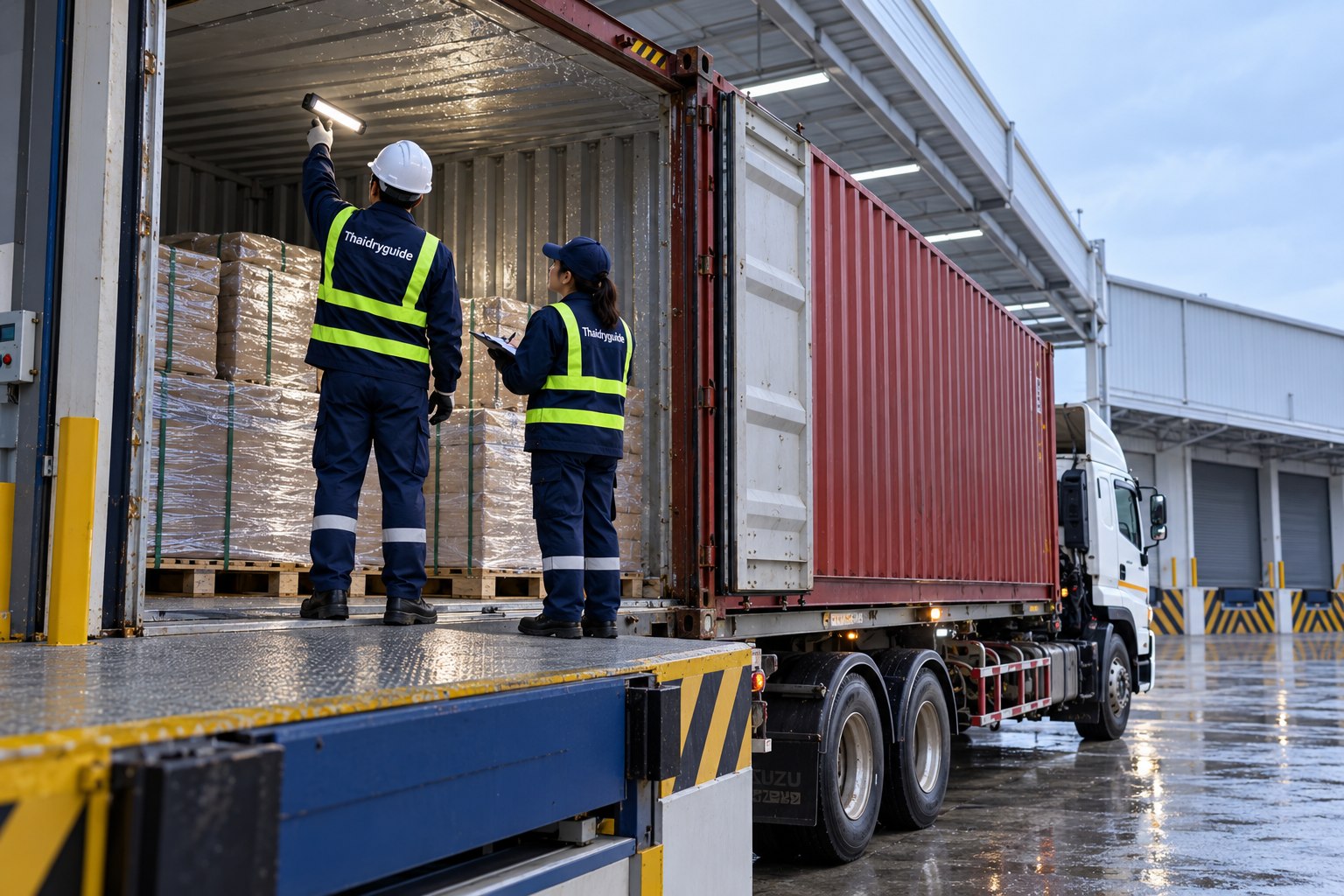
For example, a shipment leaving Thailand in September–October may reach Canada, northern Europe or the northern United States as temperatures fall, then undergo cold-weather land transport. Container walls and roof may cool faster than the cargo, allowing vapor released by goods and packaging to condense on cold surfaces and drip. High latitudes are not cold all year; plans must reflect the actual month and route.
Reducing risks from warm to cold regions
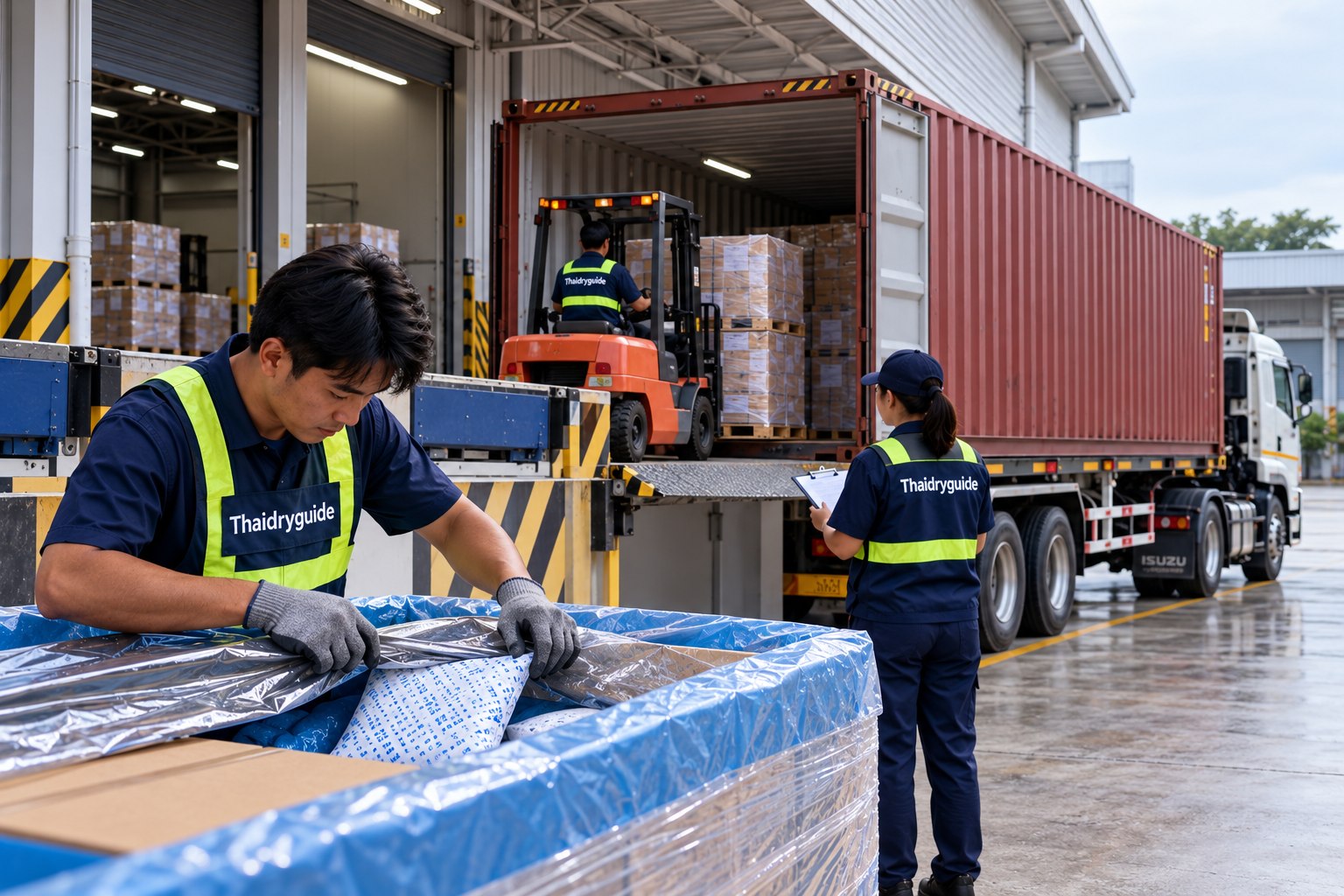
Before loading, confirm that products, pallets and packaging are fit for transport. Use suitable moisture-barrier packaging and an assessed desiccant configuration, incorporating delays and land transport. For temperature-sensitive goods, separately assess temperature-controlled transport: desiccants do not prevent freezing or replace product temperature requirements.
Cold cargo entering a warm, humid warehouse
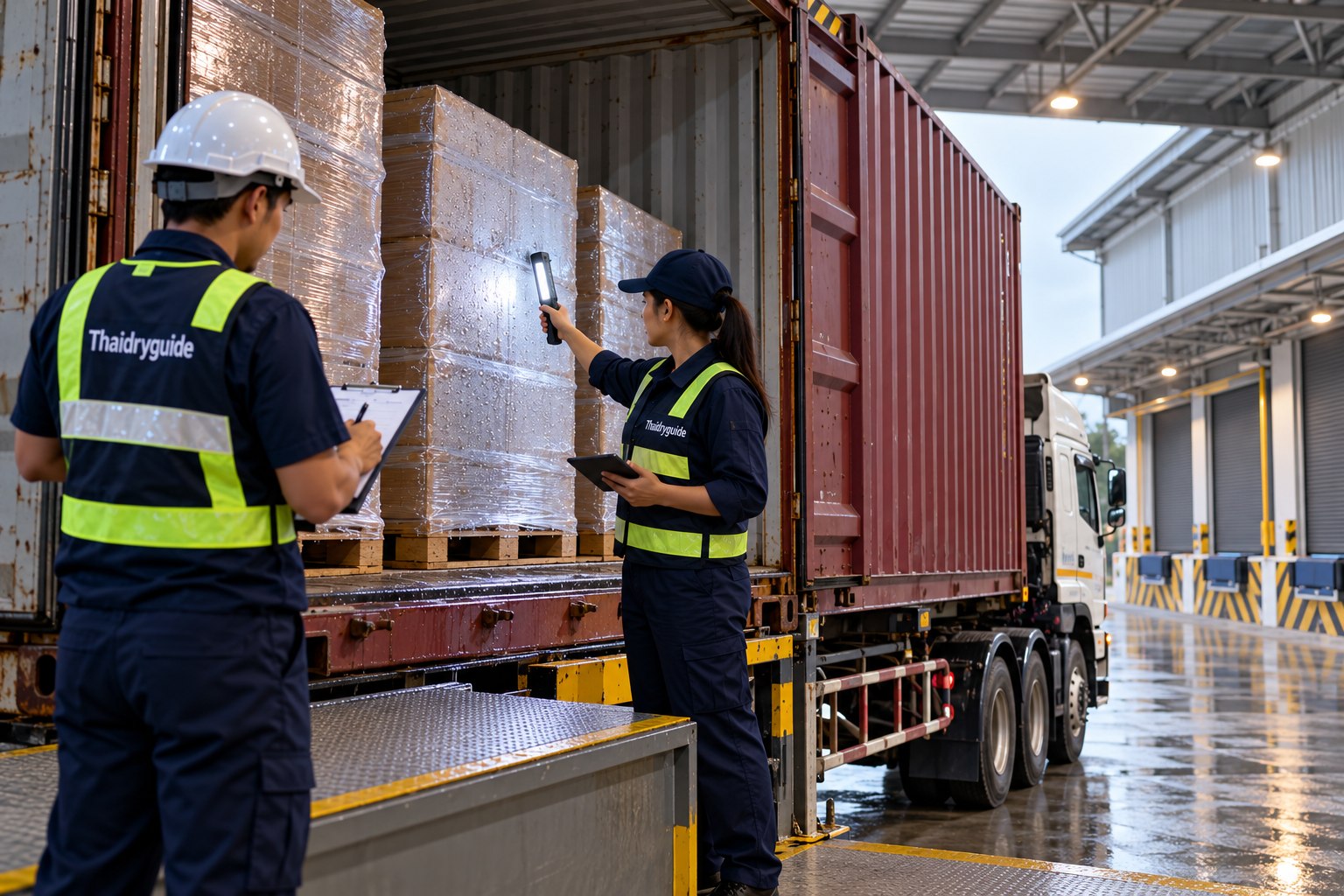
Cargo cooled during transport may also develop surface condensation when moved into a warm, humid unloading area. We recommend discussing unloading conditions, cargo surface temperature and packaging-opening arrangements with the consignee in advance. Where temperature acclimatization is needed, follow validated product and packaging procedures, rather than prescribing the same waiting hours for all goods.
Similar destination climate: the risk focus changes
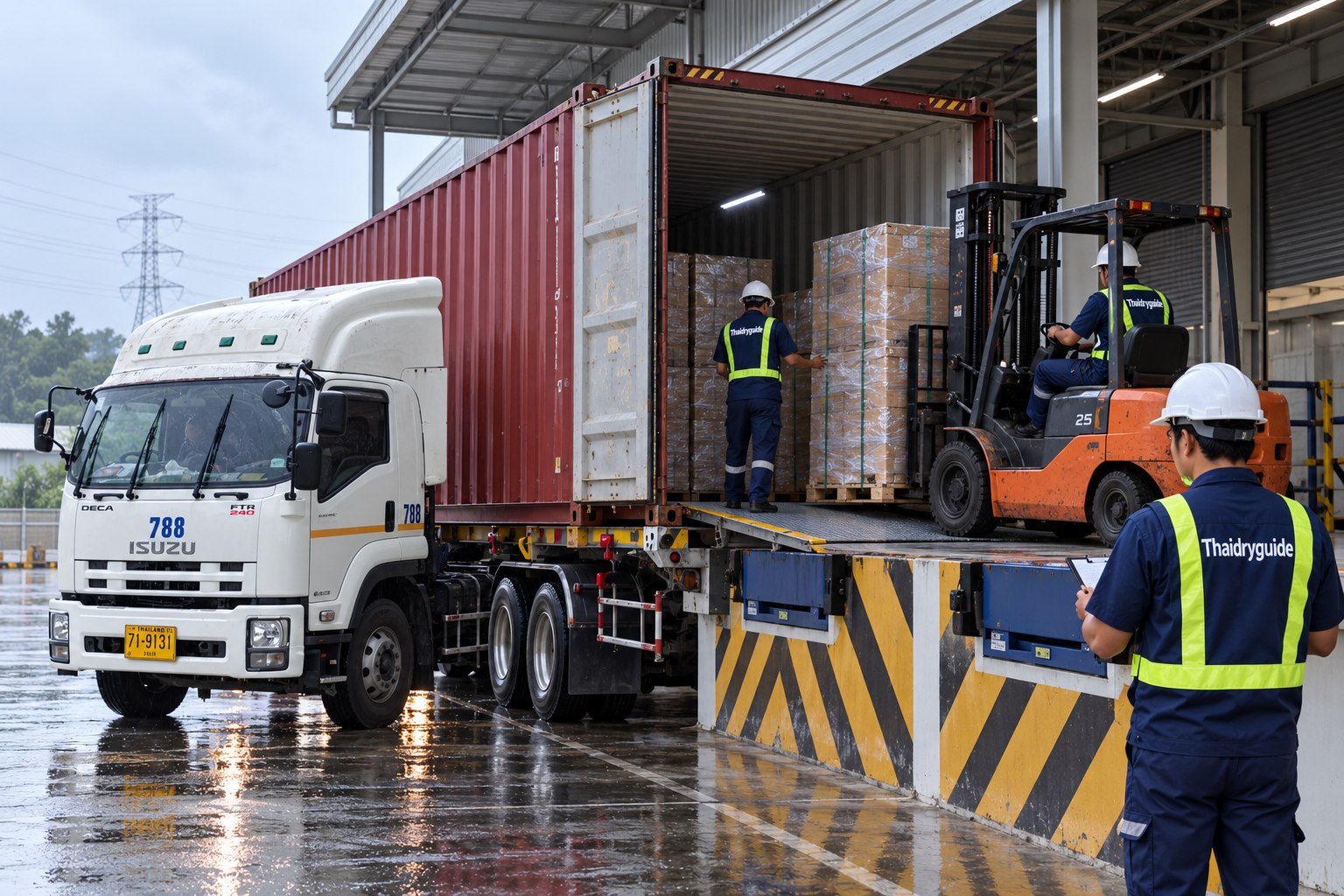
For example, warm origin and destination conditions when shipping to Singapore or coastal Malaysia do not justify omitting moisture protection. Risks remain from rain entry, day–night temperature differences, moisture released by materials, port waiting and prolonged high humidity. Local rainy-season months may differ from Thailand’s. Check the specific destination season and transshipment conditions.
Tropical destinations also have cold surfaces
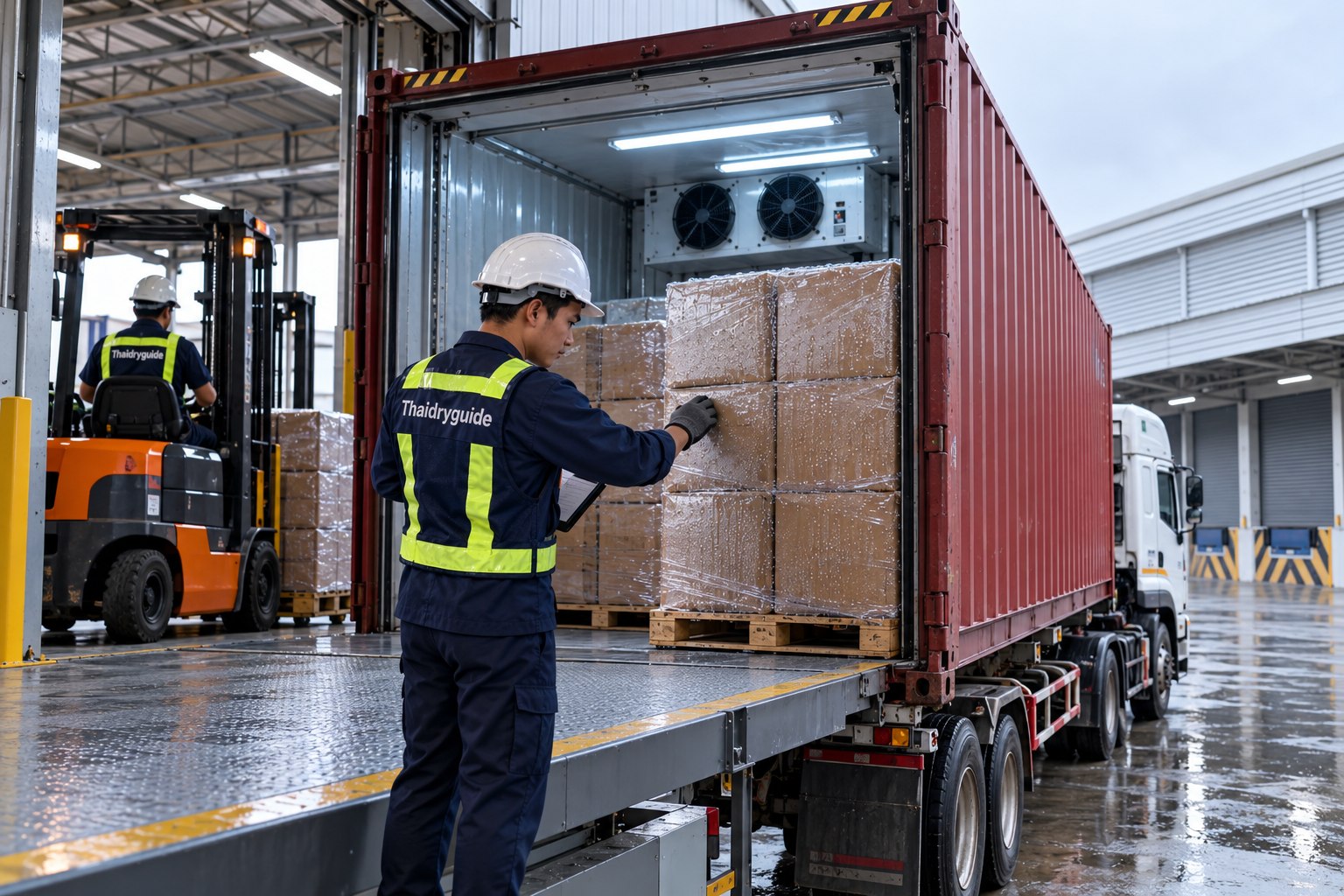
Local condensation can still occur if arriving goods enter an air-conditioned warehouse or contact cold packaging and equipment. Prolonged high humidity may soften cartons or increase corrosion risk. No visible droplets do not directly prove the packaging interior is safe.
Write a route assessment for every shipment
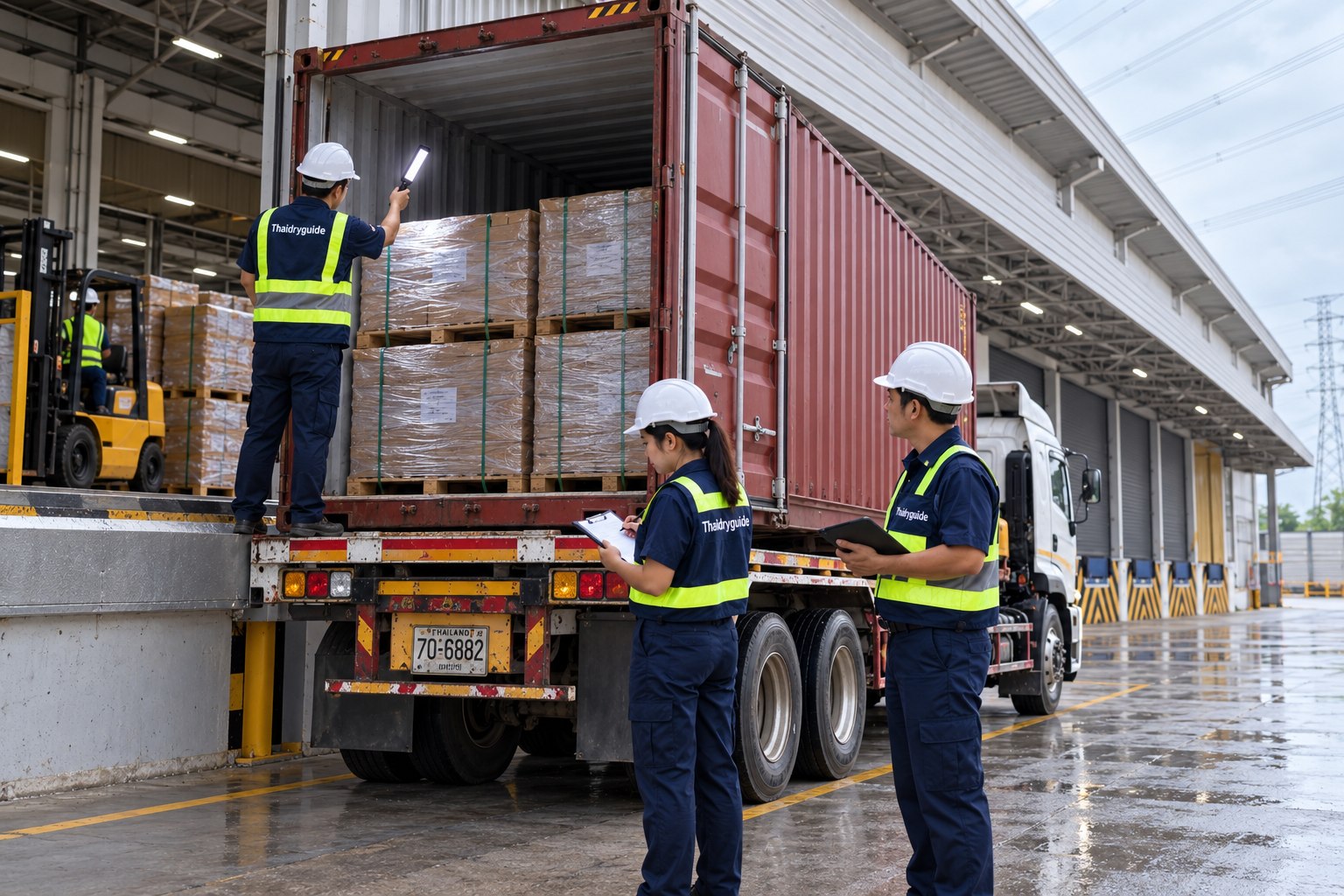
We recommend recording “origin loading conditions → sea transport and transshipment → arrival season → land transport → unloading warehouse” and having packaging staff, quality staff and suppliers jointly confirm known risks. Decisions should reflect specific environmental changes, rather than merely labeling a shipment “export to the north” or “short tropical voyage”.
Main references: TIS container climate, commodity information and the GDV packaging handbook. Thai site-inspection examples are compiled by this site.